CPEC 2. 0: RCCI, Chinese Delegation Discuss Agri-Tech Trade Cooperation
Pakistani and Chinese firms explore business opportunities in poultry, industrial biotech and agri-tech, advancing joint ventures and trade under CPEC 2.0.

-
CPEC 2. 0: RCCI, Chinese Delegation Discuss Agri-Tech Trade Cooperation
-
CPEC 2.0: Pakistani and Chinese firms explore business opportunities in poultry, industrial biotech and agri-tech, discuss advancing joint ventures and B2B trade cooperation
By Muhammad Arif, Editor NSN.Asia
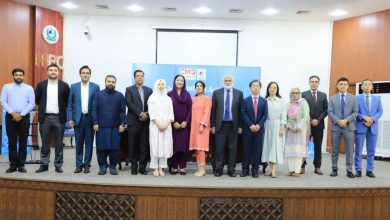
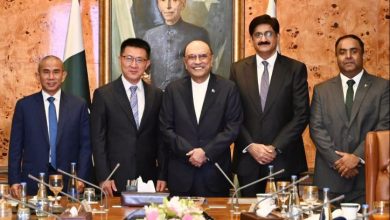
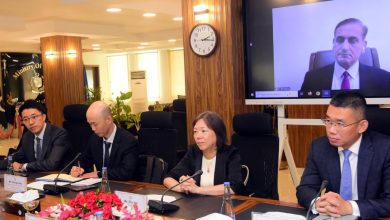
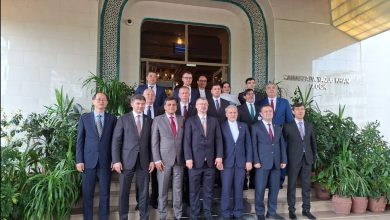
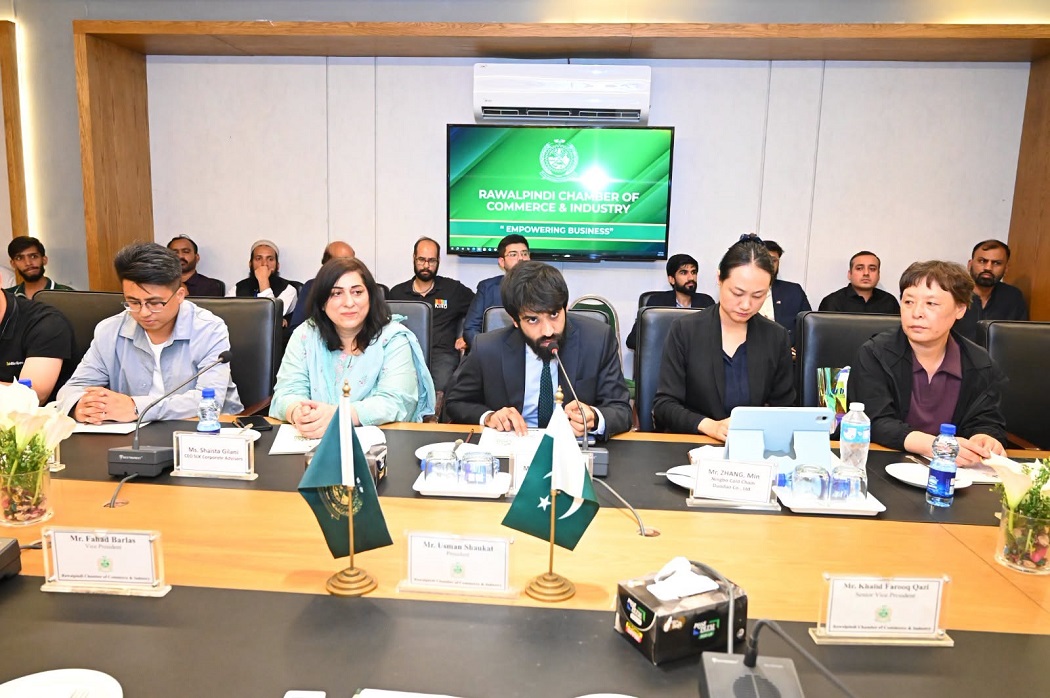
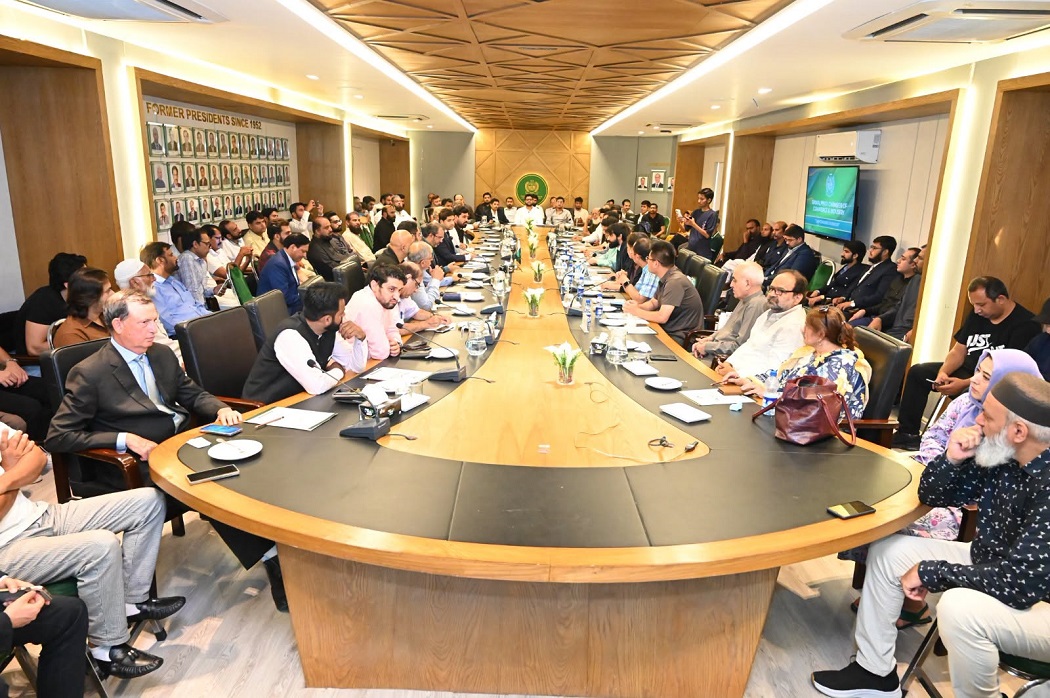
Rawalpindi, August 24, 2026: The Rawalpindi Chamber of Commerce and Industry (RCCI) organized a Business-to-Business (B2B) session with a visiting Chinese business delegation, marking a fresh push to deepen agri-tech and industrial collaboration between Pakistan and China under the evolving framework of CPEC 2.0.
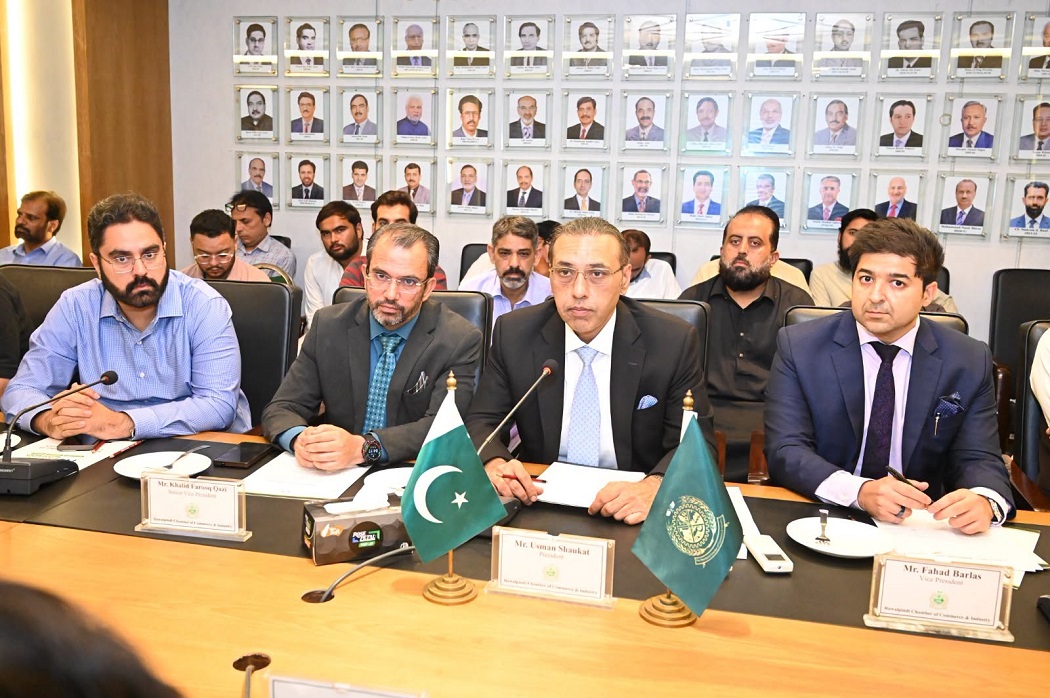
The session was chaired by RCCI President Usman Shaukat, along with Senior Vice President Khalid Farooq Qazi, and brought together senior Pakistani business leaders with a delegation of Chinese companies representing a broad cross-section of the agri-tech and industrial biotech value chain.
A Platform for Trade, Investment and Technology Transfer
The B2B session was designed to create direct engagement between Pakistani entrepreneurs and Chinese enterprises, opening the door to trade partnerships, foreign investment, technology transfer and joint ventures. Participants held focused discussions across nine key sectors that reflect the changing priorities of Pakistan-China economic cooperation, moving beyond traditional infrastructure projects toward high-value, technology-driven industries. The sectors discussed included:
- Aquatic Feed Attractants
- Poultry Processing & Cold Chain
- Circular Layer Farming
- Veterinary APIs & Formulations
- Industrial Biotech, Enzymes & Probiotics
- Livestock Equipment & Automation
- Functional Premixes & Precision Nutrition
- Bulk Premixes & Smart Manufacturing
- Phytogenic Antibiotic Alternatives
Industry observers note that this sector mix signals a strategic shift in Pakistan-China economic engagement — one increasingly centered on agricultural technology, food security, livestock modernization and biotech manufacturing, sectors seen as critical to Pakistan’s long-term export competitiveness and rural economic development.
Pakistani and Chinese Delegations
The Pakistani delegation featured prominent names from the agri-business and advisory sectors, including Dr. Saeed Ahmad, CEO of DSK Poultry; Ms. Shaista Gilani, CEO of SLK Corporate Advisors; Mr. Haseeb Khan of CVF-V20; and Mr. Daniyal Asif of IBI. Their presence reflected the participation of both established industry players and specialized advisory and investment facilitation firms.
On the Chinese side, the delegation comprised representatives from a diverse group of established companies: the Beijing Egg Product Process and Selling Association, Shandong Weidu Agri-tech Co., Ltd., Shanxi Zhaoyi Bio Co., Ltd., Hainan Kunyuan Life Tech Co., Ltd., Huamei Ceramics Pvt. Ltd., and Ningbo Cold Chain Duoduo Co., Ltd. The breadth of these companies — spanning egg and poultry processing, agri-biotechnology, life sciences, ceramics and cold chain logistics — underscored the multi-sector nature of the collaboration being explored.
Building Meaningful Business Linkages
Speaking on the occasion, RCCI leadership emphasised that the engagement was part of the chamber’s broader commitment to creating meaningful and lasting business linkages between Pakistani and Chinese enterprises. Officials highlighted that such B2B platforms allow companies to move beyond government-to-government agreements and forge direct commercial relationships that can translate into tangible investment, technology adoption and export growth.
The session allowed Pakistani entrepreneurs to gain direct exposure to Chinese innovations in areas such as precision livestock nutrition, smart manufacturing of bulk premixes, and phytogenic alternatives to antibiotics — technologies increasingly in demand as Pakistan’s poultry and livestock sectors seek to modernize, improve yields and meet international food safety and export standards. For Chinese companies, the session offered a gateway into Pakistan’s growing agri-tech market and its potential as a regional hub for processed food and cold chain products.
Why Agri-Tech Matters for Pakistan’s Economy
Agriculture and allied livestock sectors remain a backbone of Pakistan’s economy, contributing significantly to GDP and rural employment. However, the sector has long struggled with outdated technology, weak cold chain infrastructure and limited access to modern veterinary and nutrition solutions. Collaborations of the kind facilitated by RCCI aim to address these structural gaps by connecting local businesses with Chinese firms that bring advanced technology, manufacturing capacity and proven expertise in areas such as poultry processing, industrial enzymes and livestock automation.
Analysts suggest that closing this technology gap could help Pakistan boost productivity, reduce post-harvest and post-processing losses, and improve the competitiveness of its poultry and livestock-based exports in regional and international markets.
News Backgrounder: CPEC 2.0 and the Shift Toward Industrial Cooperation
The China-Pakistan Economic Corridor (CPEC), launched in 2015 under China’s Belt and Road Initiative, initially focused on large-scale energy and infrastructure projects, including power plants, highways and the development of Gwadar Port. As these foundational projects matured, both governments began emphasizing what is now widely referred to as CPEC 2.0 — a new phase centered on industrial cooperation, agricultural modernization, special economic zones, and business-to-business collaboration rather than solely government-funded mega-projects.
Under CPEC 2.0, chambers of commerce, trade bodies and private enterprises on both sides have taken on a more prominent role in identifying commercially viable partnerships. Agriculture and agri-tech have emerged as priority areas, given Pakistan’s agrarian economy and China’s advanced capabilities in biotechnology, precision farming, and food processing. Sessions such as the one hosted by RCCI are increasingly seen as building blocks of this new phase, translating high-level economic cooperation frameworks into direct commercial engagement between companies.
Rawalpindi, home to a diverse industrial and trading base, has positioned itself as an active participant in these efforts, with RCCI regularly facilitating exchanges between local businesses and international delegations to attract investment and expand trade linkages.
Conclusion: Strengthening Mutually Beneficial Economic Cooperation
The RCCI-hosted B2B session reflects the practical, business-driven direction that Pakistan-China economic relations are increasingly taking under CPEC 2.0. By bringing together Pakistani entrepreneurs and Chinese enterprises across poultry processing, industrial biotech, livestock automation and precision nutrition, the engagement created meaningful business linkages that go beyond broad policy statements, opening real avenues for trade, technology transfer and joint ventures.
As both countries look to deepen economic cooperation in a more diversified and sustainable manner, platforms like this B2B session will likely play a growing role in translating strategic partnership into concrete commercial outcomes — helping Pakistani industries modernize while offering Chinese companies a foothold in a promising regional market. Continued facilitation by institutions such as RCCI will be key to ensuring that these linkages mature into long-term, mutually beneficial economic partnerships that strengthen the broader vision of CPEC 2.0.
Reporting from Rawalpindi. Details are based on official information shared by the Rawalpindi Chamber of Commerce and Industry (RCCI) regarding the B2B session held on August 24, 2026.