

Iran on Friday buried former Supreme Leader Ali Khamenei more than four months after he was killed in a U.S.-Israeli airstrike, closing an extraordinary chapter in the Islamic Republic’s history as renewed military exchanges with the United States raised fears of a broader regional conflict.
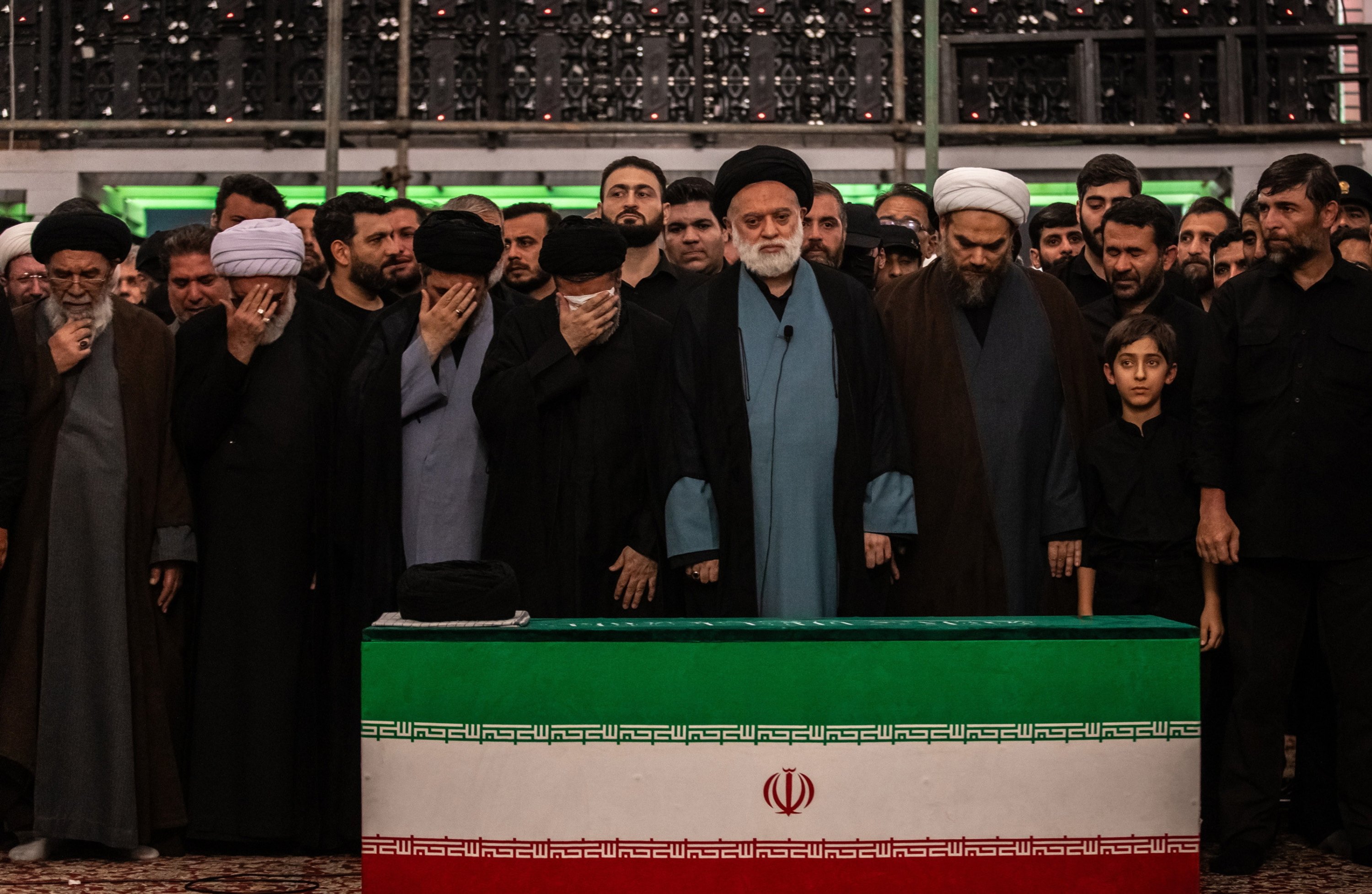
Khamenei’s flag-draped coffin was carried into the shrine of Imam Reza in the northeastern city of Mashhad, his hometown and one of Shiite Islam’s holiest sites. Thousands gathered inside and outside the shrine, many dressed in black, as prayers echoed through the complex during the final stage of six days of funeral ceremonies.
State broadcaster IRIB said the longtime leader was buried in a memorial hall within the shrine.
The ceremony unfolded against a backdrop of escalating violence. For a second consecutive day, Iran and the United States exchanged strikes across the region, underscoring how Khamenei’s funeral became intertwined with the uncertainty surrounding Iran’s future and the possibility of a wider war.
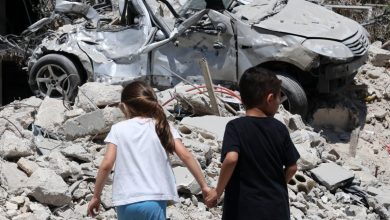
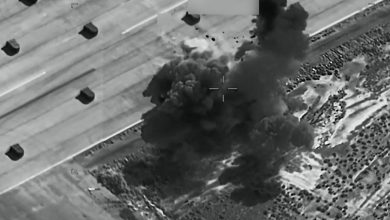
Iranian officials said U.S. strikes killed 17 people and hit infrastructure, including a section of the Tehran-Mashhad railway. State media reported disruptions to rail services, forcing passengers onto buses.
Iran, meanwhile, said it launched attacks against U.S. military assets in Kuwait, Bahrain and Qatar.
Jordan’s military reported intercepting eight missiles fired from Iran.
A U.S. defense official said Iranian missiles and drones were either intercepted or caused no significant damage and that no American personnel were injured.
Questions surround succession
The burial was closely watched for signs of Iran’s new supreme leader, Mojtaba Khamenei, who has not appeared publicly since succeeding his father.
Senior officials, including Parliament Speaker Mohammad Bagher Ghalibaf, Chief Justice Gholamhossein Mohseni Ejei and Khamenei’s eldest son, Mostafa Khamenei, attended the ceremony. State television showed some officials weeping beside the coffin.
Yet Mojtaba Khamenei remained absent.
Since his appointment, he has communicated only through written statements and is believed to have been wounded in the Feb. 28 strike that killed his father and several family members at the outset of the U.S.-Israeli war against Iran.
The absence fueled continued speculation about both his health and his ability to consolidate power during one of the most volatile periods in the Islamic Republic’s history.
Funeral crowds demand revenge
Outside the shrine, mourners carried portraits of Khamenei and chanted anti-American slogans.
Some called for retaliation against President Donald Trump, whom hard-line supporters blame for the military campaign that killed Iran’s longtime leader.
Among banners visible in the crowd were messages directed at Trump, reflecting the anger that has surged among Iran’s conservative base since the war began.
The tensions were heightened by a Wall Street Journal report citing anonymous sources who said Israeli intelligence had detected a new Iranian plot targeting Trump.
Security around the funeral was extensive. Footage released by Khamenei’s official website showed at least one fighter jet escorting the aircraft transporting his coffin to Mashhad.
Israel signals readiness for more action
The regional confrontation showed no signs of easing.
Israeli Defense Minister Israel Katz warned Thursday that Israel was prepared to strike Iran again if necessary, saying a future operation could be carried out with even greater force.
Prime Minister Benjamin Netanyahu said Israel was preparing for every scenario. His office confirmed he spoke with Trump on Thursday and received an update on U.S. actions in the Gulf.
The Strait of Hormuz remains at the center of the dispute. Tehran has insisted on maintaining control over the strategic waterway, through which a significant share of global oil and gas supplies passes.
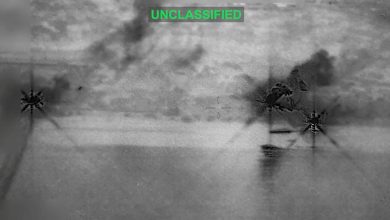
After Iranian forces reportedly struck several vessels in recent days, the United States launched extensive strikes on Iranian targets. Maritime tracking data indicate shipping traffic through the strait has declined sharply amid growing security concerns.
A nation divided over Khamenei’s legacy
As Iran buried the man who ruled for more than three decades, many Iranians were also debating what his leadership ultimately meant for the country.
To supporters, Khamenei died a martyr who defended Iran against Western pressure, expanded its military capabilities and preserved the Islamic Republic through decades of sanctions, unrest and foreign threats.
To critics, he leaves behind a deeply polarized society marked by political repression, economic hardship and repeated crackdowns on dissent.
A Tehran-based technology worker who grew up in a religious family said Khamenei’s rule created divisions that now run through households across the country.
Born in the holy city of Qom and raised in a traditional environment, he said he gradually abandoned both clerical rule and organized religion, leaving him unable to discuss politics or faith with some relatives.
“The gap inside Iranian society is remarkable,” he said, speaking anonymously because of security concerns.
The divisions became especially visible after the disputed 2009 presidential election, when authorities crushed mass protests over allegations of vote manipulation. Repeated demonstrations in subsequent years were also met with force.
The deadliest unrest came in January, when security forces killed thousands during nationwide protests that began over economic conditions and evolved into broader calls for political change.
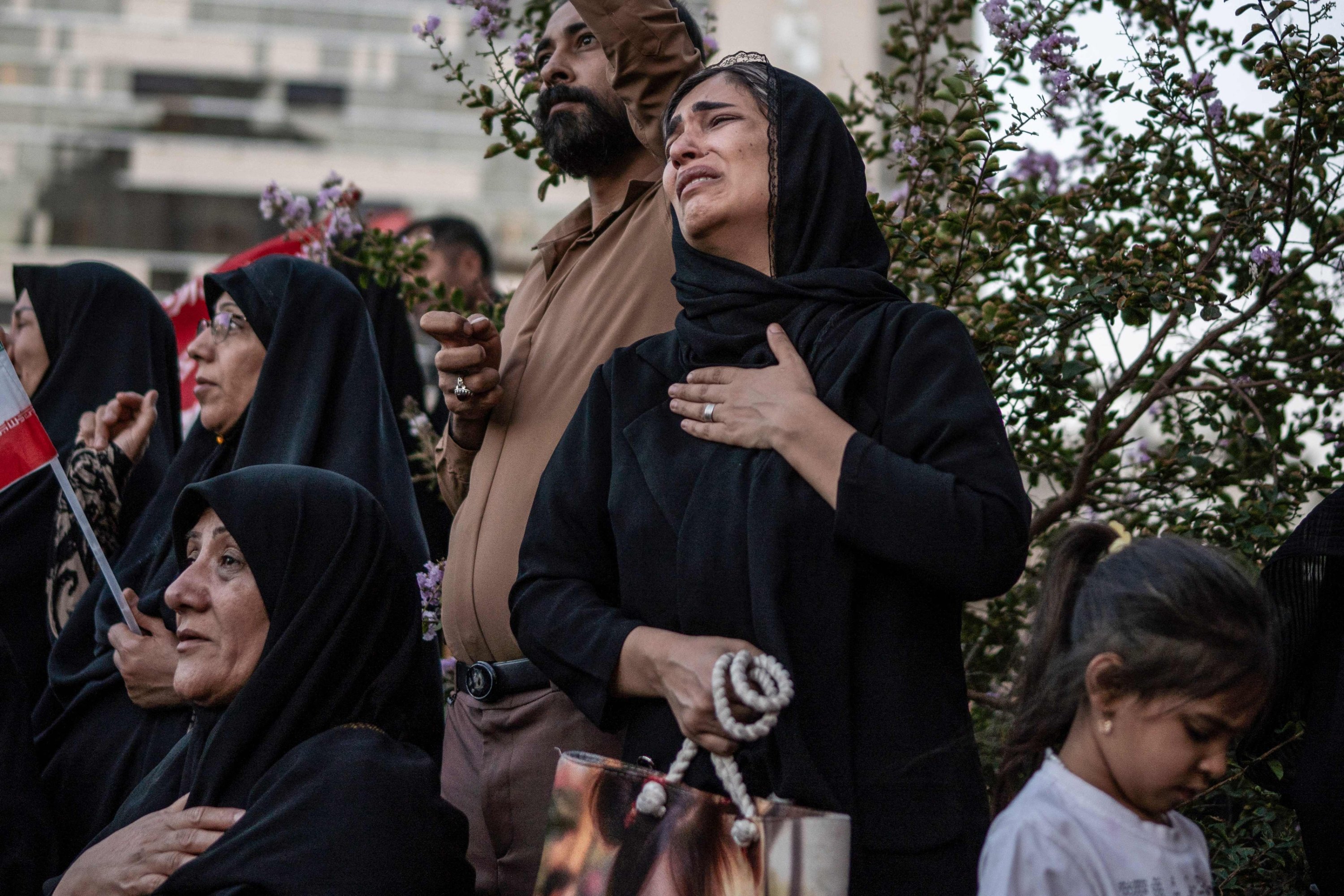
For many families affected by the crackdown, Khamenei’s death reopened painful memories.
The sister of a protester killed in Tehran during the January demonstrations described his legacy in a single word: “injustice.”
She said rising prices and worsening economic conditions have left working-class families struggling to afford basic necessities.
“All we do is look at photos and videos of my sister and cry,” she said.
Economic pain overshadows politics
Even among critics of the government, economic survival has become a more immediate concern than political change.
A 33-year-old Tehran resident who participated in January’s protests said unemployment and inflation have become overwhelming. After losing his own job, he watched friends become unemployed and his wife’s employer reduce salaries.
“All of us are just trying to stay alive,” he said. “Everything is about rent and food.”
Iran’s economic challenges have been intensified by years of sanctions, domestic mismanagement and the destruction caused by recent fighting.
Turnout in recent elections fell to historic lows, reflecting widespread frustration among voters who no longer believe political participation can deliver meaningful change.
Yet millions still support the Islamic Republic, illustrating the deep polarization acknowledged even by senior officials within the government.
The uncertain future after Khamenei
The survival of the Islamic Republic following Khamenei’s death may ultimately become one of the defining aspects of his legacy.
Despite enduring a massive U.S.-Israeli military campaign, Iran emerged with an interim agreement with Washington that could eventually lead to sanctions relief if both sides reach a broader nuclear deal.
Reform-minded politicians, including President Masoud Pezeshkian, view negotiations as a path toward economic recovery. Mojtaba Khamenei has tentatively endorsed those efforts through written statements.
Analysts say the real test may come not during wartime but afterward, as competing factions attempt to shape Iran’s future.
“Wartime gave the system a degree of cohesion under shared duress,” said Ali Vaez of the International Crisis Group. “But the governance challenges remain just as stark.”