
Green CPEC: China-Pakistan Building Agri Cooperation, Speed Breeding, Canola Tech Boost
Pakistan delegation tours China's agri-tech hubs in Chengdu and Wuhan under BRI South-South Cooperation, exploring mango, canola and digital farming ties that advance Green CPEC.

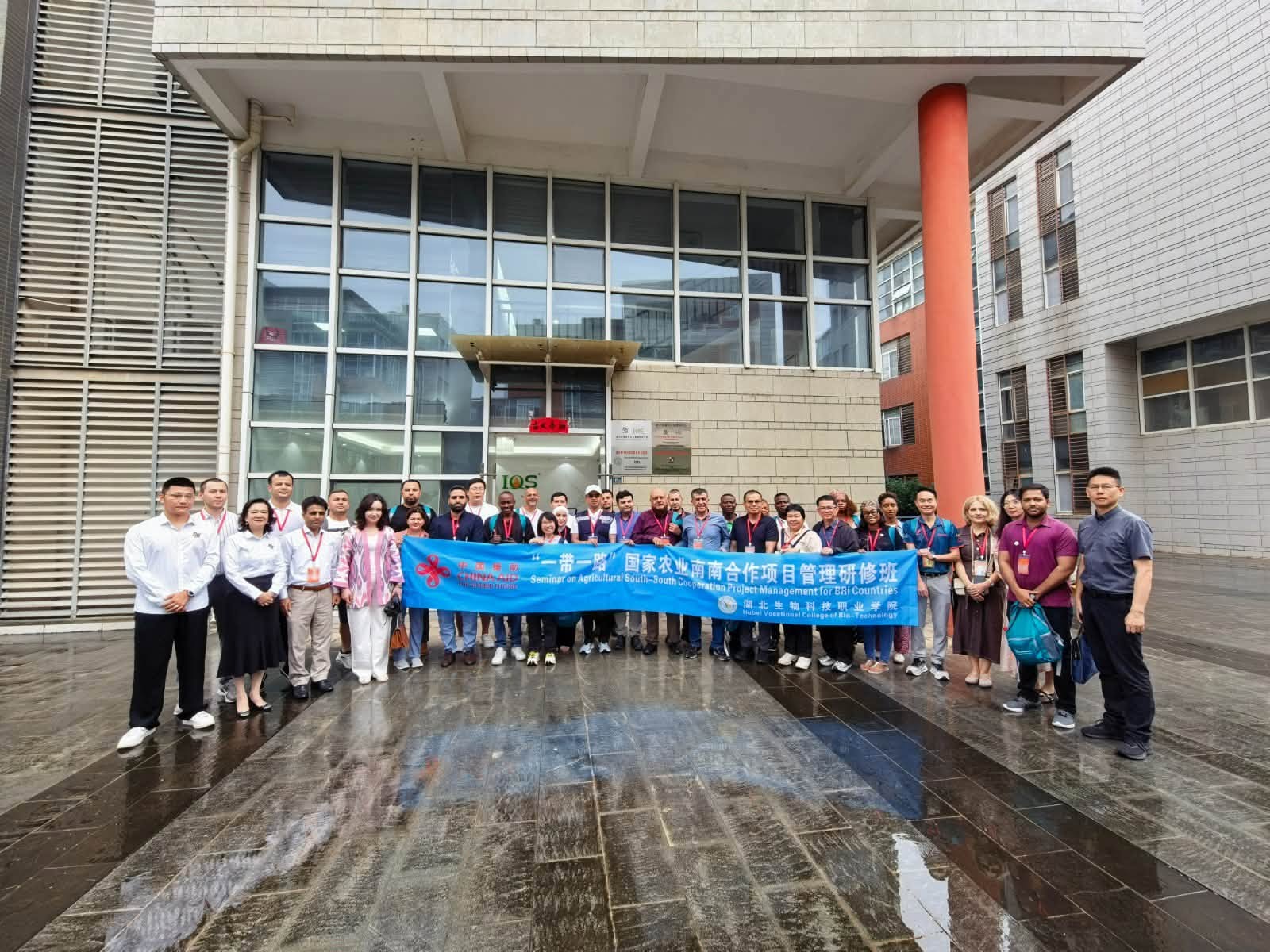
-
China-Pakistan Agri Cooperation: Speed Breeding, Canola Tech Boost Green CPEC
-
Pakistan delegation tours China’s agri-tech hubs in Chengdu and Wuhan under BRI South-South Cooperation, exploring mango, canola and digital farming ties that advance Green CPEC.
-
Green CPEC project envisions joint research, technology demonstration, personnel exchange, and knowledge sharing between the Pakistan and China.
- By: Muhammad Arif, Editor NSN.Asia
Chengdu/Wuhan, China — August 13, 2026 — A high-level Pakistani delegation has completed a series of technical visits to leading Chinese agricultural research and enterprise hubs in Chengdu and Wuhan, deepening China-Pakistan cooperation in modern farming technology under the broader framework of the China-Pakistan Economic Corridor (CPEC) and its emerging Green CPEC agenda.
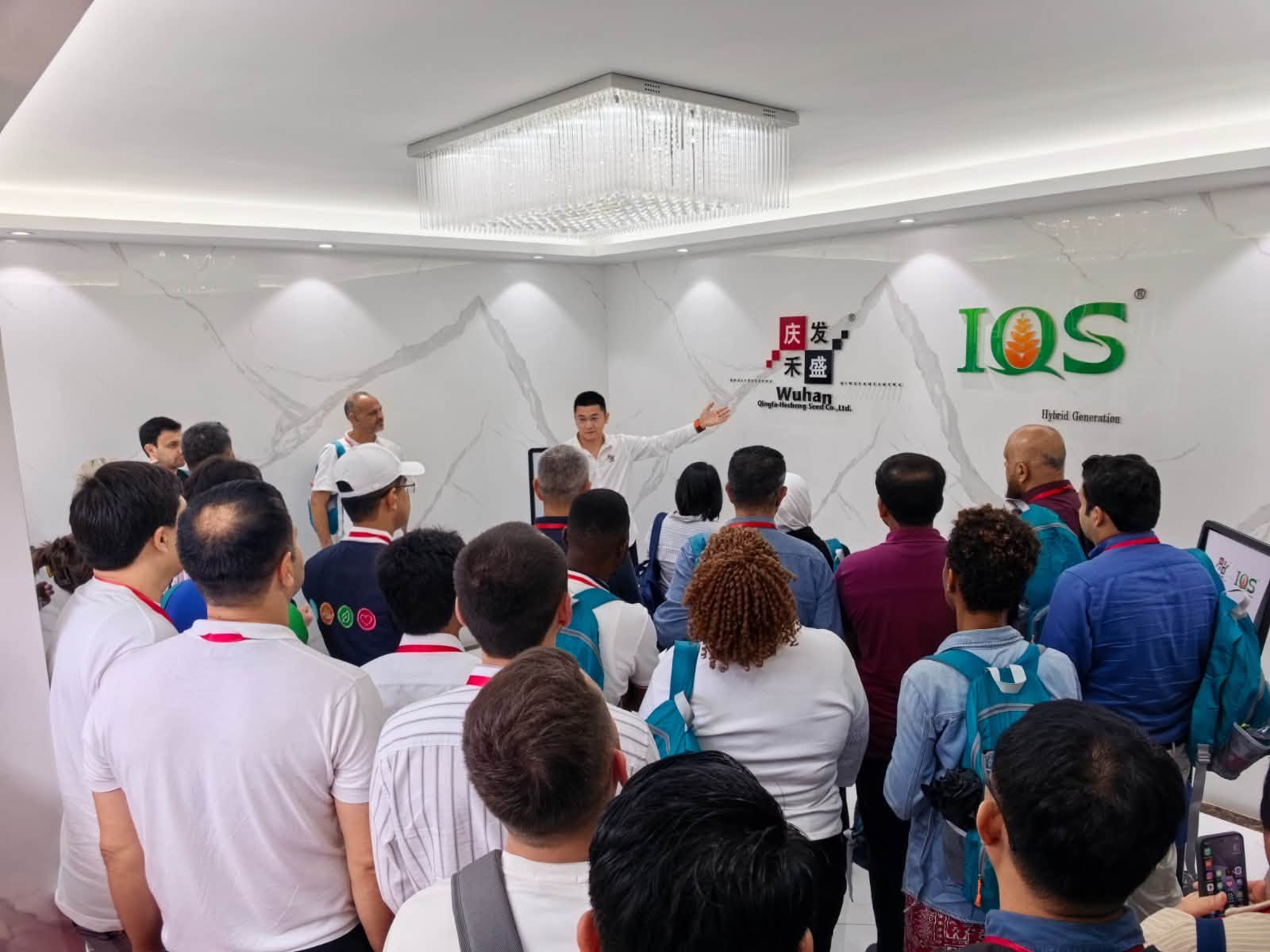
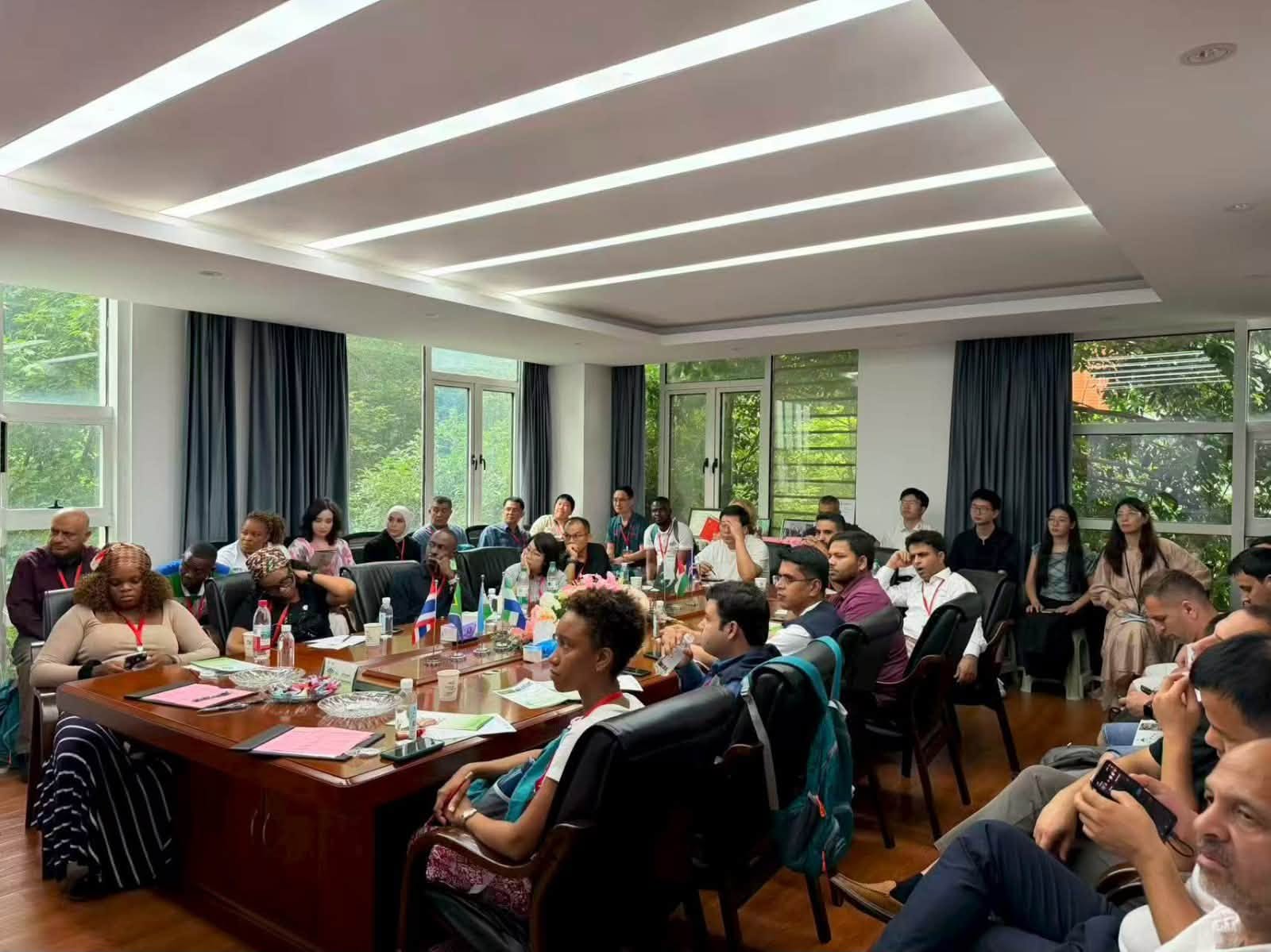
The visits took place as part of the Seminar on Agricultural South-South Cooperation Project Management for BRI Countries, bringing together representatives from the CPEC Secretariat, the CPEC Cell of the Ministry of National Food Security and Research (MNFSR), the Food and Agriculture Organization (FAO) Pakistan, and senior agricultural specialists.
- Chengdu Visit: Speed Breeding, Vertical Farming and Digital Agriculture
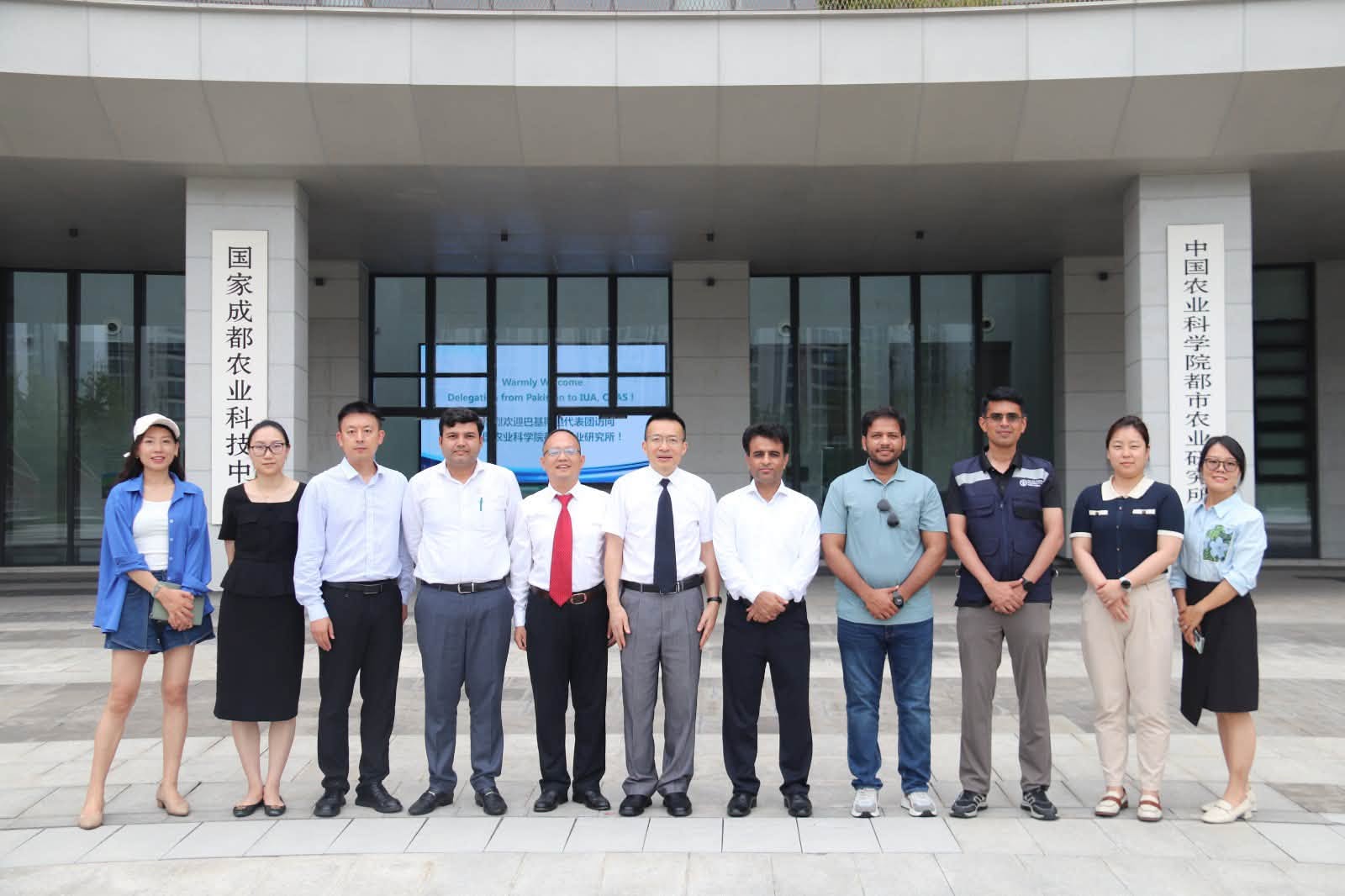
On July 1, 2026, the delegation visited the Institute of Urban Agriculture (IUA) under the Chinese Academy of Agricultural Sciences (CAAS), along with the National Agricultural Science and Technology Center (NASC) in Chengdu.
The tour highlighted several frontier agricultural technologies, including:
• Speed breeding techniques to accelerate crop development cycles
• Vertical and rooftop farming systems suited for urban and land-constrained environments
• Digital agriculture platforms for precision monitoring and management
• Technology-enabled production systems that translate research into field-ready solutions
A key outcome of the visit was renewed discussion around China-Pakistan cooperation in mango development, including the proposed Digital Twin Mango Technology Demonstration Farm — a project envisioning joint research, technology demonstration, personnel exchange, and knowledge sharing between the two countries.
Officials noted that agricultural transformation depends on connecting science, digital innovation, advanced breeding, and efficient resource use — a principle now central to Pakistan’s evolving approach to climate-smart and resource-efficient farming.
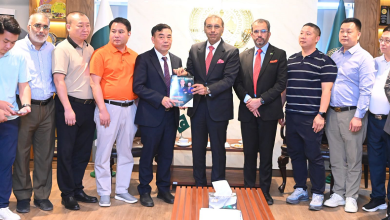
The Chengdu leg was coordinated by Dr. Shahzad Amir Naveed, Agriculture Specialist at the CPEC Secretariat, with FAO Pakistan acknowledging the hospitality of the IUA-CAAS and NASC teams as well as the facilitation support of the Embassy of the People’s Republic of China in Pakistan.
Wuhan Visit: From Canola Seed Innovation to Full Value Chain Development
The delegation’s second leg took them to Wuhan Qingfa-Hesheng Seed Co., Ltd. (QFHS) in Wuhan, an event organized by the Hubei Vocational College of Bio-Technology.
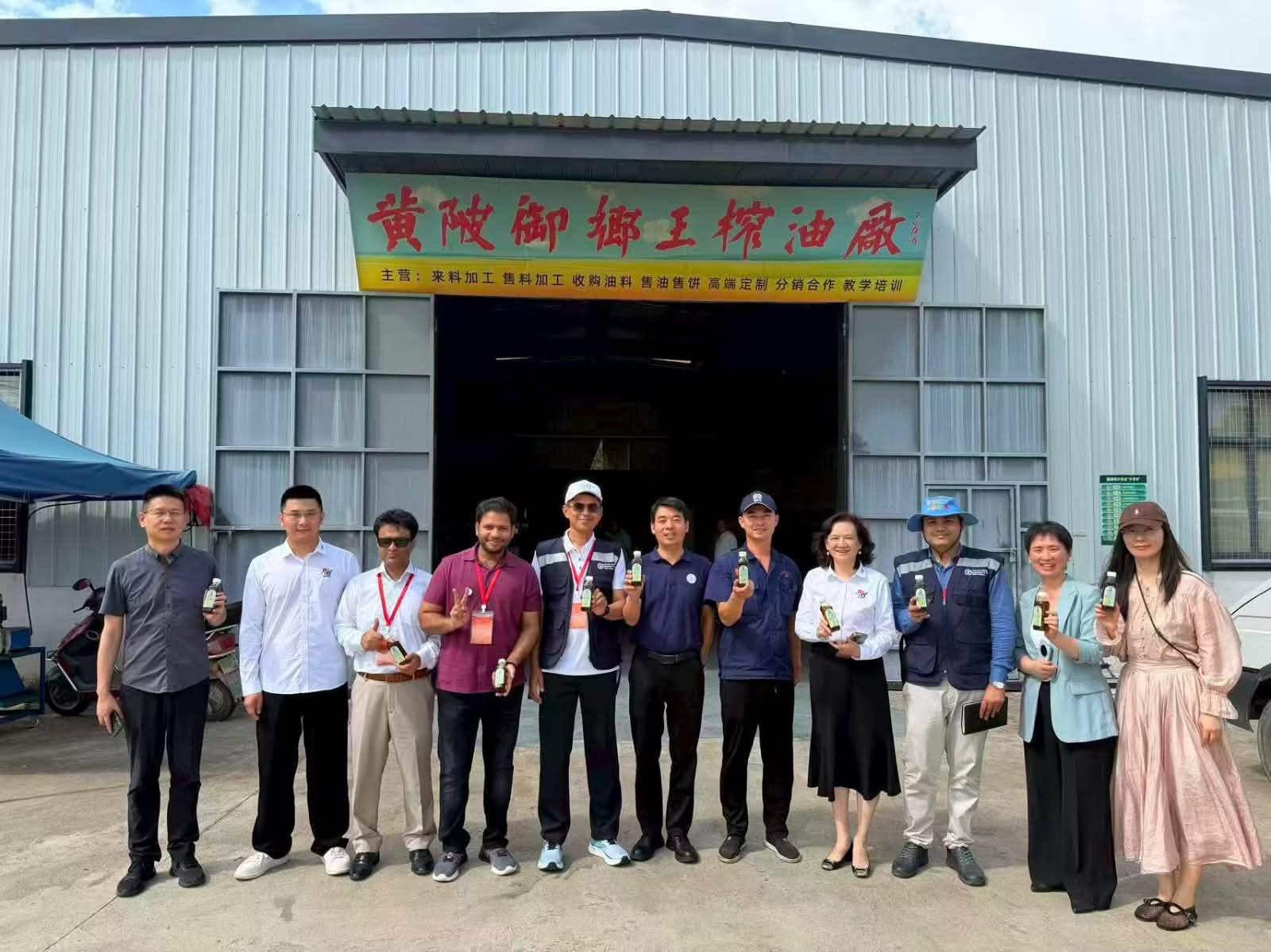
Here, the focus shifted to seed technology and agri-value chains, centered on QFHS’s “Small Seeds, Great Wisdom” development philosophy. Delegates examined the HC-021C hybrid double-low canola variety, along with its local research and demonstration model, technology transfer mechanisms, technical support services, and farmer-oriented extension approach — much of it already tested through QFHS’s prior agricultural cooperation experience in Pakistan.
Crucially, the visit extended beyond seed genetics into the full seed-to-oil value chain, with stops at:
• LiangNong (Tuanfeng) Machinery Manufacturing Co., Ltd. — harvesting technology
• Huangpi Yuxiang Township Wang’s Oil Mill — decentralized, small-scale processing
• YihaiJiali (Wuhan) Grain and Oil Industry Co., Ltd. — modern oil extraction and commercial-scale market linkages
FAO officials described the visit as a reaffirmation of a core South-South Cooperation principle: sustainable agricultural transformation requires more than technology transfer alone. It demands local adaptation, stronger institutional and farmer capacity, appropriate technology matched to local conditions, robust processing infrastructure, and reliable market linkages.
- Conclusion: Strengthening Green CPEC Through Agricultural Innovation
These twin visits to Chengdu and Wuhan mark a tangible step forward for agricultural cooperation within the Green CPEC framework — the phase of the China-Pakistan Economic Corridor that emphasizes sustainable development, climate resilience, digital innovation, and social sectors alongside the infrastructure and energy projects that defined CPEC’s earlier years.
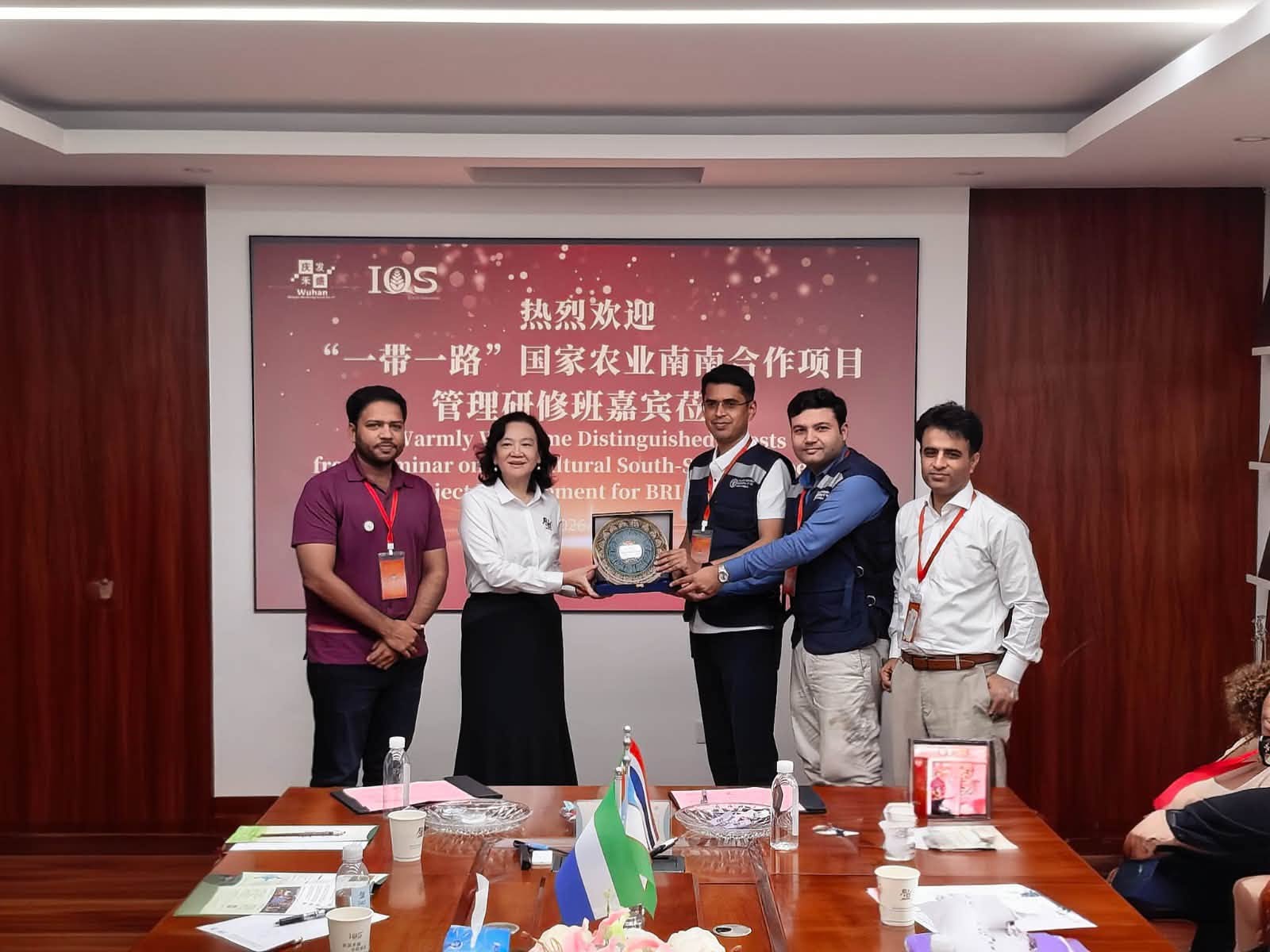
For Pakistan, exposure to speed breeding, vertical farming, digital agriculture, and integrated seed-to-market value chains offers a practical technology roadmap at a time when the country faces mounting pressure from climate change, water scarcity, and the need to modernize its agricultural base to strengthen food security. Initiatives like the proposed Digital Twin Mango Technology Demonstration Farm and canola value-chain cooperation illustrate how Green CPEC is expanding beyond roads and power plants into research partnerships, farmer capacity-building, and resource-efficient production systems.
With continued facilitation by the CPEC Secretariat, MNFSR, FAO Pakistan, and the Embassy of the People’s Republic of China in Pakistan, such exchanges signal a maturing bilateral relationship — one increasingly oriented toward science-driven, sustainable agricultural cooperation that could shape Pakistan’s rural economy for years to come.