RCCI, Chinese Delegation Discuss Pakistan-China Trade Cooperation
RCCI President Meets Chinese Business Delegation to Boost Pakistan–China Trade Cooperation

-
RCCI, Chinese Delegation Discuss Pakistan-China Trade Cooperation
-
RCCI President Usman Shaukat met a Dongguan Ganzhou Chamber delegation from China to explore new trade, investment, and B2B partnership opportunities
-
Business leaders fromChina and Pakistan call for translating partnerships into tangible business outcomes
- By: Muhammad Arif, Editor NSN.Asia
-
Pakistan and China have long maintained close economic and diplomatic ties, with trade and investment cooperation forming a central pillar of their bilateral relationship. Chambers of commerce on both sides have increasingly taken the lead in translating this partnership into tangible business outcomes, facilitating direct engagement between companies, investors, and industry leaders. Rawalpindi, as a growing hub for trade and industry in Pakistan, has positioned its Chamber of Commerce & Industry (RCCI) as an active platform for such cross-border collaboration, regularly hosting international delegations to explore new avenues for joint ventures and technology exchange.
-
RCCI, Chinese Delegation Discuss Pakistan-China Trade Cooperation NSN Asia 2026 -
RCCI and Chinese Delegation Hold Key Meeting
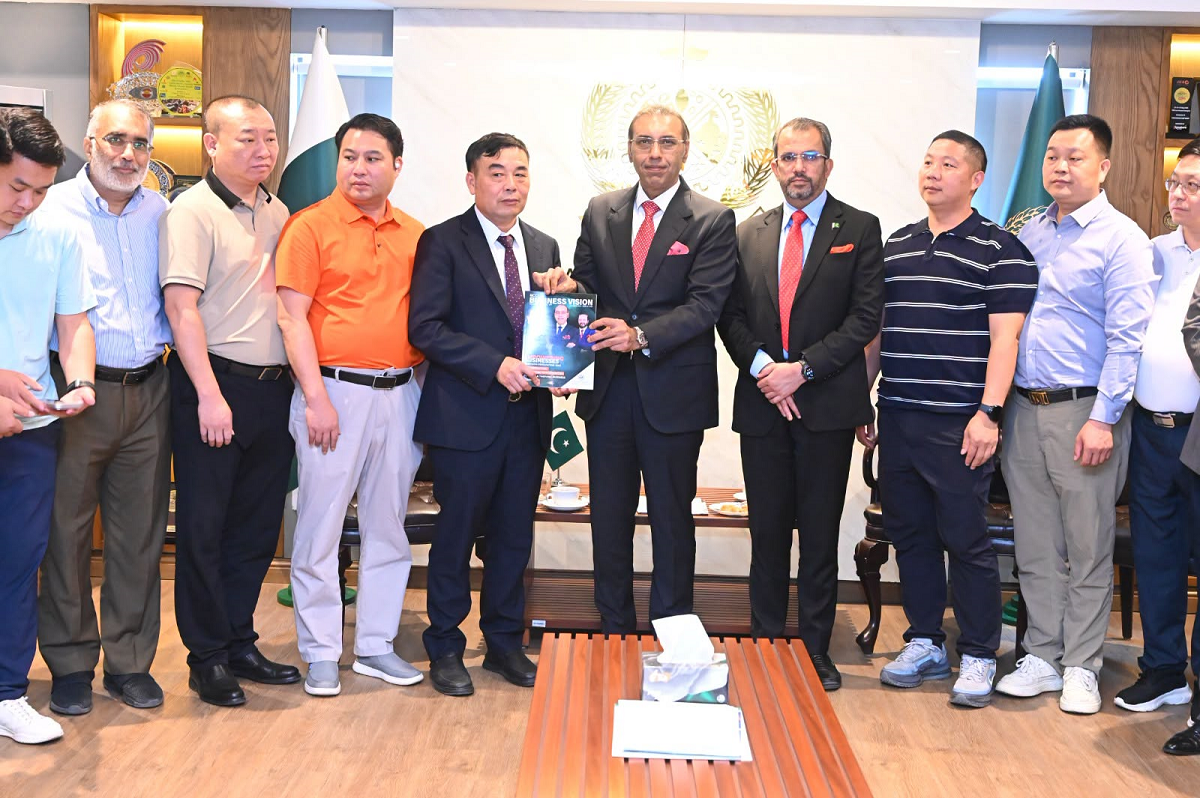
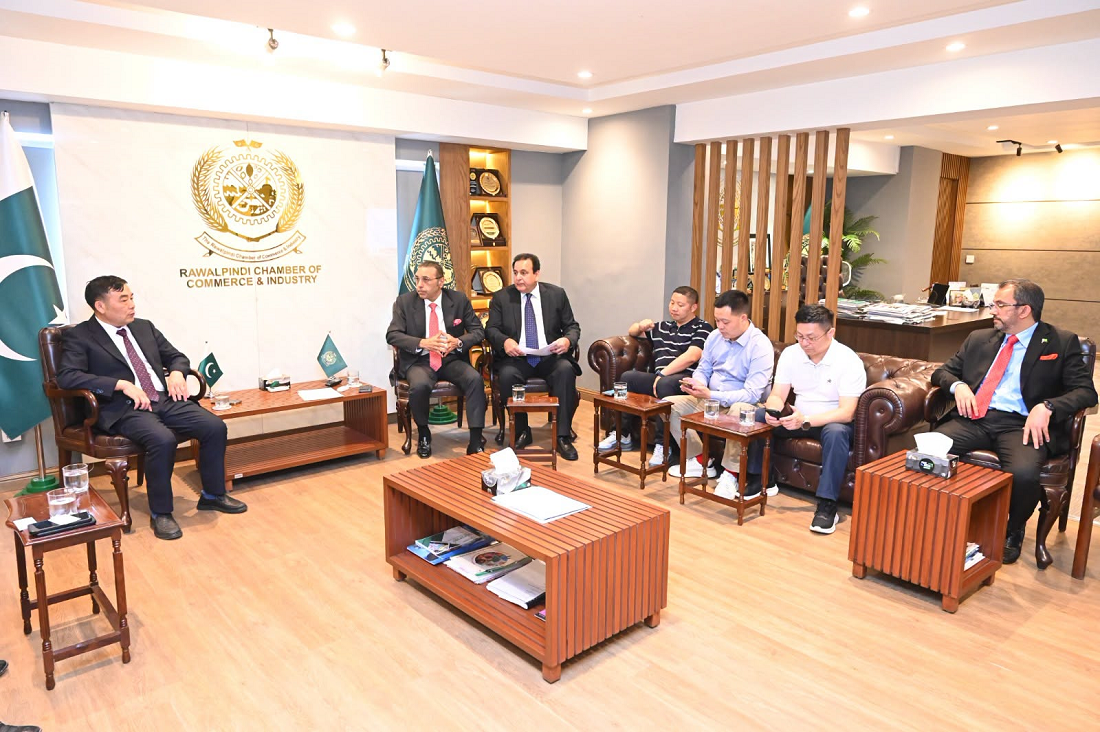
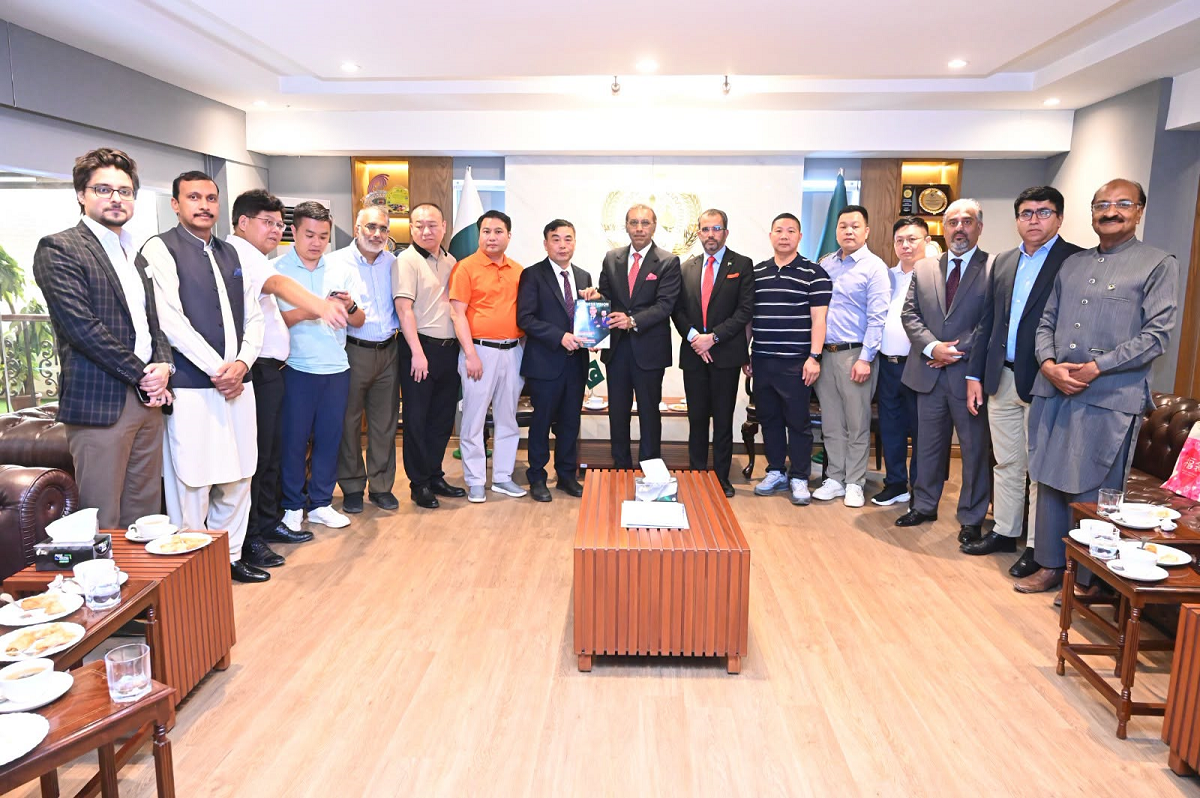
In a significant step toward deepening Pakistan–China economic relations, President of the Rawalpindi Chamber of Commerce & Industry (RCCI), Mr. Usman Shaukat, held a productive meeting with a visiting delegation from the Dongguan Ganzhou Chamber of Commerce, China. The discussion focused on exploring new opportunities for enhanced bilateral trade, investment, and business-to-business (B2B) cooperation between the two countries.
The meeting was attended by senior RCCI leadership, including Senior Vice President Khalid Farooq Qazi and Former President Raja Amer Iqbal, alongside members of the RCCI Executive Committee, underscoring the importance placed on the engagement by the chamber’s top representatives.
-
RCCI, Chinese Delegation Discuss Pakistan-China Trade Cooperation NSN Asia 2026 34 -
CPEC 2.0 and the Shift Toward Industrial Cooperation
Meetings such as this one are unfolding against the backdrop of a broader transformation in Pakistan–China economic relations under the second phase of the China-Pakistan Economic Corridor, widely referred to as CPEC 2.0. While the first phase of CPEC, spanning roughly 2015 to 2024, was centered on infrastructure development and energy security, the current phase has shifted focus toward industrialization, export-led growth, and integration with global supply chains.
A key marker of this shift has been the rapid expansion of Special Economic Zones (SEZs) across Pakistan, which have grown from just seven at CPEC’s launch to 44 approved zones under CPEC 2.0, according to Pakistan’s Board of Investment. These zones are designed to attract Chinese and domestic investment into manufacturing, agro-processing, engineering goods, chemicals, and light industry, positioning Pakistan as an emerging production and export base rather than solely a transit and energy corridor.
Senior Pakistani officials, including Deputy Prime Minister and Foreign Minister Ishaq Dar and Planning Minister Ahsan Iqbal, have reiterated that the next stage of CPEC will emphasize industrialization, agriculture, information technology, mining, and human resource development. This year also carries added symbolic significance, marking 75 years of diplomatic relations between Pakistan and China, which both governments have signaled as an opportunity to deepen economic engagement further.
For chambers of commerce like RCCI, this evolving national framework provides fertile ground for city- and industry-level partnerships. Business-to-business exchanges, joint ventures, and technology transfer agreements — of the kind discussed between RCCI and the Dongguan Ganzhou delegation — are increasingly seen as the practical building blocks through which CPEC 2.0’s industrial vision is translated into on-the-ground economic activity.
-
RCCI, Chinese Delegation Discuss Pakistan-China Trade Cooperation NSN Asia 2026 32 Diverse Sectors Represented by Chinese Delegation
The Chinese delegation was led by Liu Ying, President of the Dongguan Ganzhou Chamber of Commerce, and comprised senior representatives from a wide range of industries. These included metal products, construction and steel structures, renewable energy, new materials, packaging, flooring solutions, import-export trade, and business consulting — reflecting the broad scope of potential collaboration between the two business communities.
Focus on B2B Linkages, Joint Ventures, and Technology Transfer
Speaking at the meeting, President Usman Shaukat highlighted the immense potential for collaboration between the business communities of Pakistan and China. He emphasized the need to strengthen B2B linkages, encourage joint ventures, facilitate technology transfer, and unlock fresh investment opportunities that could benefit industries on both sides.
Conclusion: A Building Block for CPEC 2.0’s Industrial Future
The meeting reaffirmed RCCI’s continued commitment to promoting Pakistan–China economic relations and creating new avenues for sustainable, long-term business partnerships. As both nations look to expand trade beyond traditional sectors, engagements like this one signal growing momentum for deeper industrial and commercial cooperation.
With CPEC 2.0 steering national policy toward industrialization, export competitiveness, and technology transfer, chamber-level dialogues such as this one between RCCI and the Dongguan Ganzhou Chamber of Commerce are likely to play an increasingly important role. They translate high-level government commitments into concrete business linkages, positioning Rawalpindi’s business community as an active contributor to the broader Pakistan–China economic corridor and its next phase of industrial cooperation.