

At least 12 Palestinians were killed in Israeli strikes across the Gaza Strip over the past 24 hours despite a cease-fire that has been in place since October 2025, Palestinian health officials said Friday, as the U.N. warned that sweeping global aid cuts have left at least one million women and girls without access to critical humanitarian services.
The latest violence underscored the fragile nature of the truce, with Gaza’s Health Ministry reporting eight deaths and 17 injuries from Israeli attacks during the latest reporting period. The ministry said the overall Palestinian death toll since the war began in October 2023 has climbed to more than 73,118, while 173,615 people have been wounded.
Health officials said many victims remain trapped beneath collapsed buildings or stranded in areas inaccessible to rescue teams because of ongoing security risks and widespread destruction.
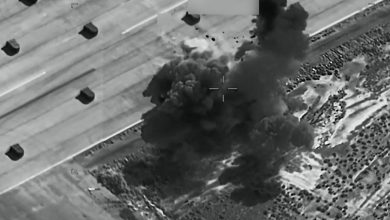
Separate medical sources reported that two Palestinians were killed when an Israeli drone struck a home west of Khan Younis in southern Gaza.
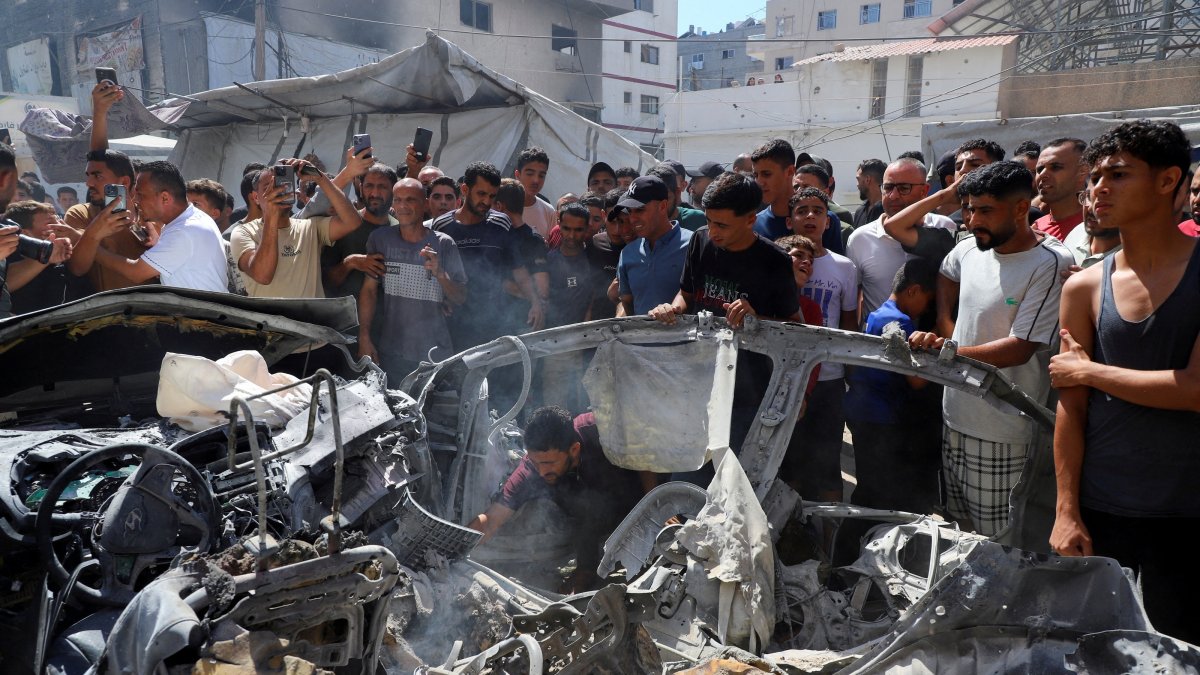
In Gaza City, one Palestinian was killed and three others were wounded after an Israeli strike targeted a civilian vehicle in the Al-Rimal neighborhood.
Another drone strike in the Nuseirat refugee camp in central Gaza killed one Palestinian and injured several others, according to local medical officials.
The latest attacks add to growing concerns that the cease-fire, which took effect on Oct. 10, 2025, is steadily unraveling.
According to Gaza’s Health Ministry, Israeli military actions since the cease-fire began have killed 1,092 Palestinians and wounded 3,507 others through Thursday.
Israeli authorities say operations carried out during the truce are targeted responses to security threats posed by Hamas and other armed groups.
Israel says it acts in self-defense and accuses Hamas of operating within densely populated civilian areas, an allegation Hamas denies.
Independent verification of battlefield claims remains difficult because of restricted access to Gaza.
The war began following Hamas’ Oct. 7, 2023, incursion into southern Israel, killing about 1,200 people and taking hundreds of hostages. Israel responded with a large-scale military offensive that has devastated the Palestinian territory.
Gaza’s Health Ministry says more than 73,000 Palestinians have been killed and more than 173,000 wounded since the conflict began.
Israel disputes aspects of the casualty figures and rejects allegations that its military campaign constitutes genocide.
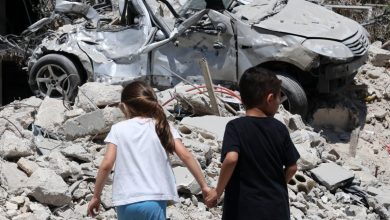
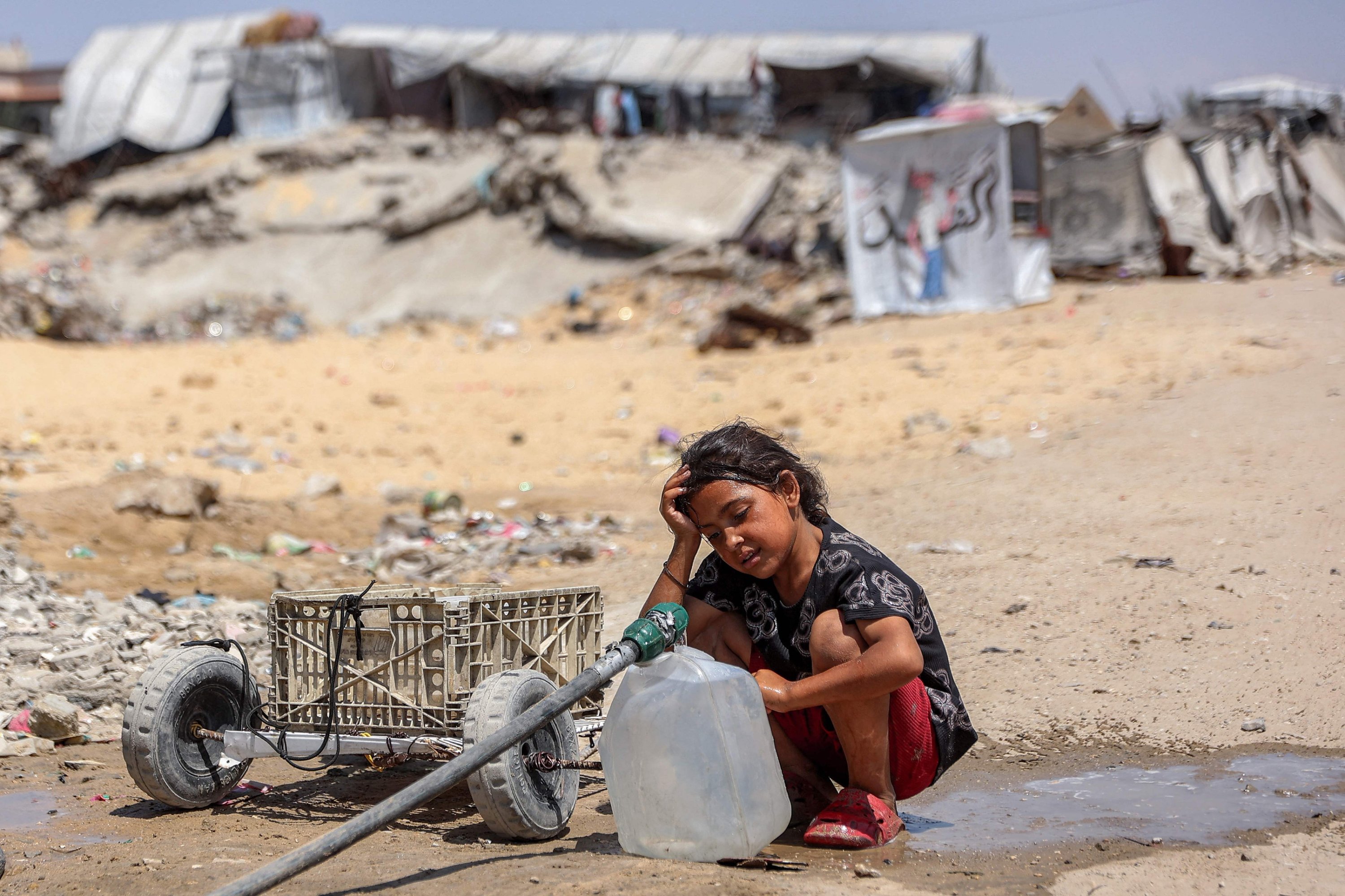
The war has left much of Gaza in ruins, with an estimated 90% of civilian infrastructure damaged or destroyed.
Hospitals, schools, roads and residential neighborhoods have suffered widespread devastation, while humanitarian agencies continue to warn of severe shortages of food, clean water, medicine and shelter.
The humanitarian crisis has been compounded by a sharp decline in international aid.
Dwindling aid
The U.N. warned Friday that at least one million women and girls had lost access to lifesaving support because of dramatic cuts to foreign aid since January 2025, threatening the survival of frontline organizations serving some of the world’s most vulnerable populations.
U.N. Women said the funding cuts have stripped women and girls affected by conflict and humanitarian crises of access to critical services, including health care, protection and support for survivors of gender-based violence.
Speaking from Stockholm during a briefing in Geneva, Sofia Calltorp, U.N. Women’s head of humanitarian action, described the agency’s latest findings as “deeply disturbing.”
“We know that this number is just the tip of the iceberg,” Calltorp said.
She warned that women’s organizations working on the front lines in Afghanistan, Gaza, the Democratic Republic of Congo, Sudan and Yemen are increasingly at risk of shutting down as funding dries up.
“Every dollar withdrawn from women’s organizations is a dollar withdrawn from survivors of conflict-related sexual violence, displaced mothers, girls forced from school, and communities struggling to survive,” she said.
The funding crisis follows major reductions in foreign assistance by several donor countries, including the United States after President Donald Trump took office in 2025, alongside broader spending cuts by other governments.
U.N. Women estimates that around 120 million women and girls worldwide now require humanitarian assistance and protection as armed conflicts reach their highest levels since World War II.
Its report, based on responses from 855 women-led and women’s rights organizations across 52 crisis-affected countries, found that 84% had experienced increased demand for services since January 2025.
Nearly 90% of organizations said they can no longer meet existing needs, while 40% expect to shut down temporarily or permanently within the next year if funding does not improve.
Many organizations are surviving only because staff members continue working without pay.
According to the report, 65% of women-led organizations said employees are volunteering their labor to keep essential services operating, while nearly half reported growing staff burnout.
Calltorp also warned that cases of conflict-related sexual violence doubled in 2025, even as the systems designed to protect survivors continue to deteriorate.
U.N. Women found that 86% of surveyed organizations reported rising levels of gender-based violence in the communities they serve.
The agency said the consequences are already being felt by vulnerable women and families.
Shelters for survivors of violence are closing, pregnant women are traveling longer distances to reach health clinics, and many mothers are struggling to secure food for their children.
Beyond the immediate humanitarian impact, U.N. Women warned that the collapse of women’s organizations is accelerating a broader rollback of women’s rights.
One in five organizations has already suspended programs promoting women’s leadership and gender equality, while more than half reported declining participation by women in community leadership and local decision-making.