
Xi Jinping Launches Global AI Leadership Initiative at World AI Conference 2026
AI Leadership: Xi Jinping Calls for Inclusive Artificial Intelligence Governance

-
AI Leadership: Xi Jinping Pledges for Making AI a Shared Global Public Good , Calls for strengthening China’s leadership in international AI governance.
-
Xi Jinping announces of the establishment of the World Artificial Intelligence Cooperation Organization (WAICO)
- By: Muhammad Arif, Editor NSN.Asia
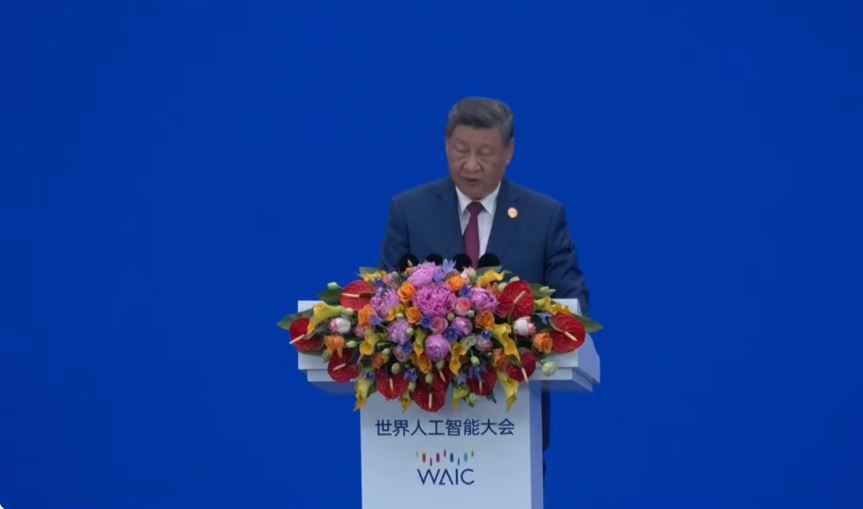
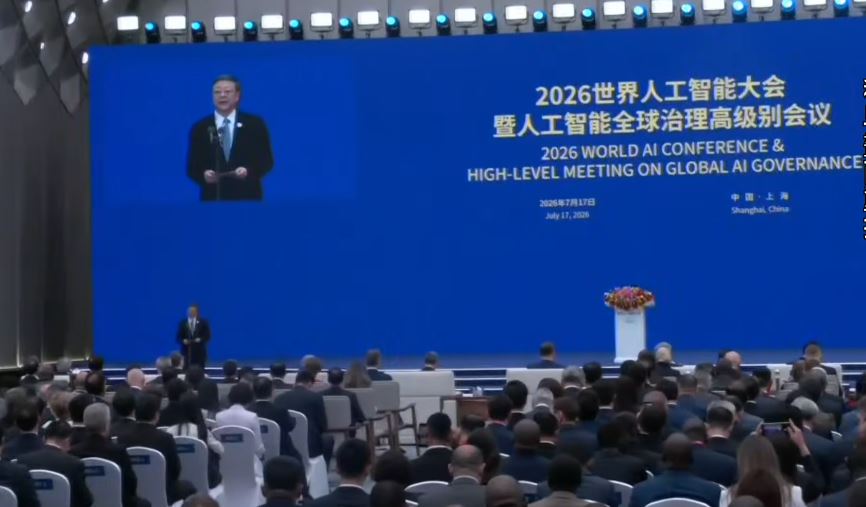
SHANGHAI (NSN) — Chinese President Xi Jinping on Friday unveiled an ambitious global vision for the future of artificial intelligence (AI), announcing a series of landmark initiatives aimed at making AI a shared global public good while strengthening China’s leadership in international AI governance.
Addressing the opening ceremony of the 2026 World Artificial Intelligence Conference (WAIC) and the High-Level Meeting on Global AI Governance in Shanghai, President Xi introduced what analysts describe as China’s most comprehensive international AI initiative to date. The announcement included the formal establishment of the World Artificial Intelligence Cooperation Organization (WAICO), expanded AI cooperation with developing countries, large-scale capacity-building programs, and new partnerships spanning Asia, Africa, Latin America, and the Middle East.
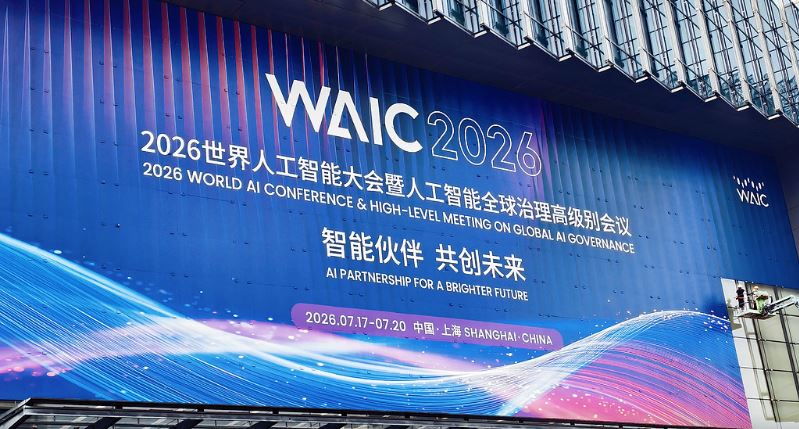
Under the conference theme “Intelligent Partners, Co-create the Future,” Xi emphasized that artificial intelligence should become a force for inclusive development, international cooperation, and shared prosperity rather than technological division.
“Artificial intelligence is opening a new frontier for human development,” President Xi said, describing AI as a transformative force driving scientific innovation, industrial modernization, and economic growth while also presenting significant governance and ethical challenges.
China Announces World Artificial Intelligence Cooperation Organization
One of the conference’s most significant outcomes was President Xi’s announcement of the establishment of the World Artificial Intelligence Cooperation Organization (WAICO).
The new multilateral organization aims to promote international consensus on AI governance, facilitate practical cooperation, strengthen institutional capacity, and ensure that countries—particularly those in the Global South—benefit equitably from advances in artificial intelligence.
Chinese officials said WAICO will provide a platform for governments, research institutions, industry leaders, and international organizations to collaborate on AI policy, standards, innovation, ethics, and capacity building.
The initiative reflects China’s growing role in shaping international discussions on emerging technologies at a time when governments worldwide are seeking balanced approaches to innovation, regulation, cybersecurity, and responsible AI development.
Pakistan Among Founding Members
Pakistan became one of the founding members of WAICO, marking a significant milestone in bilateral technological cooperation between Islamabad and Beijing.
Deputy Prime Minister and Foreign Minister Senator Mohammad Ishaq Dar traveled to Shanghai to attend the World AI Conference and sign the agreement establishing WAICO on behalf of Pakistan.
During the visit, Chinese Foreign Minister Wang Yi welcomed Pakistan’s participation, stating that Islamabad’s accession to WAICO would serve the long-term interests of Pakistan and its people.
Dar described the initiative as an important global proposal by China and expressed Pakistan’s commitment to strengthening bilateral cooperation in artificial intelligence, emerging technologies, digital innovation, and human resource development.
Five-Year AI Capacity Building Initiative
President Xi also announced one of the conference’s most ambitious commitments: China will provide 5,000 AI training and seminar opportunities for developing countries over the next five years.
The initiative is designed to strengthen technical expertise, policy development, regulatory capacity, and AI governance across emerging economies.
China will also establish international AI application cooperation centers with major regional organizations, including:
- Association of Southeast Asian Nations (ASEAN)
- League of Arab States
- African Union
- Community of Latin American and Caribbean States (CELAC)
- Shanghai Cooperation Organization (SCO)
- BRICS
These centers are expected to facilitate research collaboration, technology transfer, skills development, and practical AI applications tailored to regional priorities.
AI for Climate and Disaster Resilience
In another major announcement, Xi said China would assist 30 countries in deploying the AI-powered MAZU Meteorological Early Warning System, helping governments improve disaster preparedness and protect lives and property from increasingly frequent extreme weather events.
The initiative demonstrates China’s intention to expand the use of artificial intelligence beyond industrial productivity into climate resilience, disaster management, environmental monitoring, and sustainable development.
Experts note that AI-driven early warning systems can significantly improve forecasting accuracy, emergency response coordination, and climate adaptation planning, particularly in developing countries vulnerable to floods, droughts, cyclones, and other natural disasters.
Background: China’s Vision for Global AI Governance
Artificial intelligence has become one of the defining technologies of the 21st century, influencing nearly every sector of society—from healthcare and education to manufacturing, finance, transportation, agriculture, and national security.
Recognizing both the opportunities and risks associated with AI, China has steadily advanced a comprehensive approach to global AI governance.
In 2023, Beijing introduced the Global AI Governance Initiative, advocating principles that emphasize:
- AI for the benefit of humanity
- Responsible innovation
- Security and controllability
- Fair access to technology
- Inclusive international cooperation
- Ethical development
- Multilateral governance
Unlike approaches focused primarily on regulation, China’s framework combines technological innovation with international capacity building, particularly for developing countries that risk being left behind in the rapidly evolving AI economy.
Chinese policymakers argue that AI should become an international public good rather than a technology concentrated in only a handful of advanced economies.
AI Leadership in China’s New Development Strategy
The 2026 World AI Conference carries particular significance as it marks the beginning of China’s 15th Five-Year Plan (2026–2030), which places artificial intelligence at the center of national modernization.
The government aims to accelerate integration between AI and manufacturing, healthcare, education, transportation, smart cities, green development, and digital governance under its broader AI+ Initiative.
Shanghai has emerged as one of China’s leading AI innovation hubs, hosting world-class research institutions, technology companies, startup ecosystems, semiconductor development, robotics laboratories, and international cooperation platforms.
Officials describe the city as an ideal venue for advancing international AI collaboration because of its strong scientific infrastructure and extensive global partnerships.
Bridging the Global AI Divide
One of the central themes of President Xi’s address was reducing inequalities in AI access between developed and developing countries.
China argues that while advanced economies continue investing heavily in frontier AI technologies, many developing nations lack the computing infrastructure, skilled workforce, regulatory expertise, and financial resources needed to participate fully in the AI revolution.
Through initiatives such as WAICO, international training programs, and capacity-building partnerships, Beijing seeks to narrow this technological gap by sharing expertise, promoting open cooperation, and supporting locally relevant AI applications.
For many countries across Asia, Africa, Latin America, and the Middle East, these initiatives could provide greater access to AI education, research collaboration, technical standards, and governance frameworks.
A New Chapter in Global AI Cooperation
President Xi Jinping’s announcements at the 2026 World Artificial Intelligence Conference represent one of China’s most significant efforts yet to shape the future of global artificial intelligence governance.
The launch of the World Artificial Intelligence Cooperation Organization, combined with extensive AI training programs, international cooperation centers, climate-focused AI applications, and broader partnerships with the Global South, signals Beijing’s intention to play a leading role in building a more inclusive international AI ecosystem.
For countries such as Pakistan, participation as a founding member of WAICO offers new opportunities to strengthen technological capabilities, develop AI talent, expand research collaboration, and participate in shaping international AI governance.
As artificial intelligence increasingly transforms economies, industries, and societies, China’s vision emphasizes cooperation over competition and shared development over technological fragmentation. Whether this initiative succeeds in building broad international consensus will depend on sustained collaboration among governments, academia, industry, and multilateral institutions. Nevertheless, the Shanghai conference marks the beginning of a significant new chapter in global AI diplomacy—one in which China seeks to position itself at the forefront of responsible, inclusive, and development-oriented AI leadership for the New Era