

-
Kyrgyzstan and China Sign Cooperation Treaty in Bishkek
-
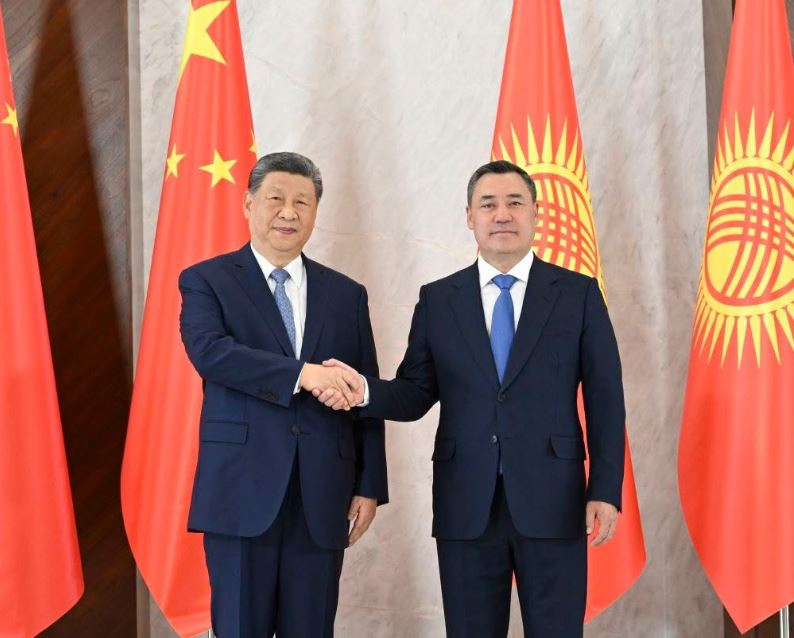
Presidents Sadyr Japarov and Xi Jinping sign a historic Treaty on Everlasting Good-Neighborliness in Bishkek, as 32 agreements are inked on the sidelines of the SCO Summit 2026
By: Muhammad Arif, Editor NSN.Asia
BISHKEK — Kyrgyzstan and China have taken a landmark step in their bilateral relationship, with President Sadyr Japarov and Chinese President Xi Jinping signing a Treaty on Everlasting Good-Neighborliness, Friendship, and Cooperation between the two nations. The historic signing ceremony took place in Bishkek following extensive bilateral talks between the two leaders, marking a new chapter in Kyrgyz-Chinese relations.
The agreement comes as Bishkek hosts a series of high-level discussions on pressing international issues, with the talks unfolding on the sidelines of the Shanghai Cooperation Organisation (SCO) Summit — one of the most significant multilateral gatherings of the year.
A Foundation for Deeper Strategic Partnership
Speaking ahead of the signing, President Sadyr Japarov emphasized the treaty’s long-term significance, noting that the document will “lay a solid foundation for the further qualitative development of the comprehensive strategic partnership” between Kyrgyzstan and China. The treaty formalizes decades of growing cooperation between the two neighboring nations and signals a deepened commitment to mutual trust, regional stability, and economic collaboration.
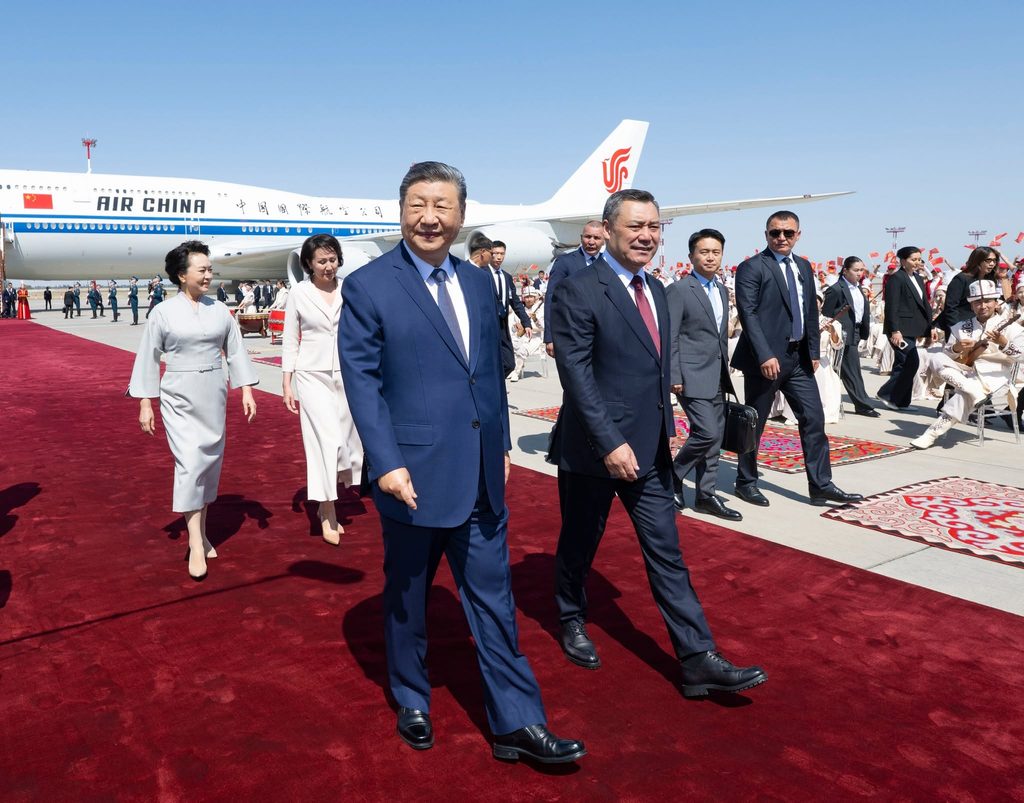
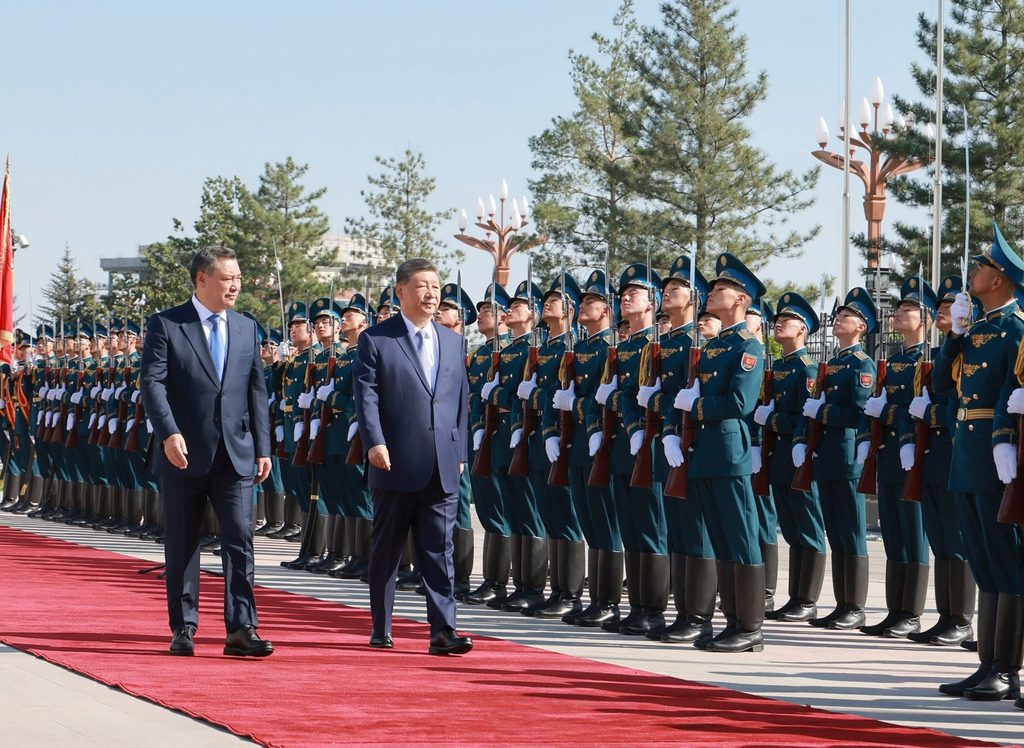
Chinese President Xi Jinping arrived in Bishkek to attend the Shanghai Cooperation Organization Summit 2026 and pay a state visit to Kyrgyzstan.
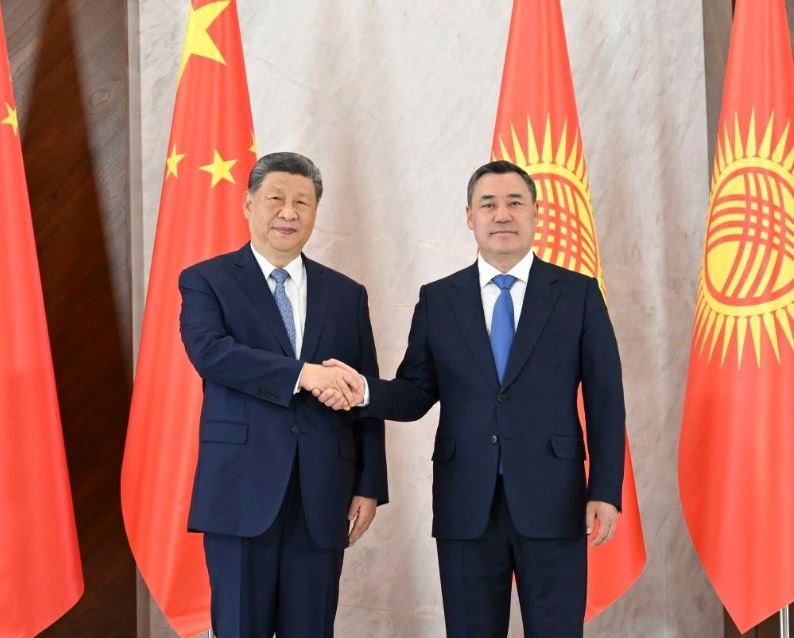
In total, 32 documents were signed during the talks between the two delegations. Beyond the central friendship treaty, the remaining agreements span a wide array of sectors, reflecting the breadth of cooperation between the two governments. These include accords at the Cabinet of Ministers and departmental levels covering:
- Border management and security
- Operations at the Bedel checkpoint
- Trade and economic cooperation
- Transport and infrastructure connectivity
- Agriculture
- Science and technology
- Education
- Culture
- Media and information exchange
The breadth of these agreements underscores the scale of the strategic relationship Kyrgyzstan and China are building, extending far beyond diplomatic symbolism into concrete, actionable cooperation across nearly every sector of governance and public life.
Xi Jinping’s State Visit and SCO Participation
Chinese President Xi Jinping is currently in Kyrgyzstan on an official state visit, one that coincides with his participation in two major multilateral events: the SCO Council of Heads of State meeting and the SCO Plus summit. His presence in Bishkek highlights the growing importance Beijing places on Central Asia as a strategic and economic partner, particularly amid shifting global geopolitical dynamics.
The two-day Shanghai Cooperation Organization summit officially began in Bishkek on Monday, August 31, drawing a high-profile roster of world leaders. Alongside Xi Jinping, Russian President Vladimir Putin and more than a dozen other heads of state and government are taking part in the summit, making it one of the largest diplomatic gatherings hosted by Kyrgyzstan in recent memory.
The SCO, which brings together major Eurasian powers to coordinate on security, economic, and political matters, has increasingly become a platform for countries seeking alternatives to Western-led international frameworks. Bishkek’s role as host this year places Kyrgyzstan firmly at the center of regional diplomacy.
Xi Jinping Highlights “Community With a Shared Future”
During his meeting with President Japarov, Xi Jinping outlined China’s vision for the future of bilateral relations, stating that Beijing is ready to work with Kyrgyzstan to “better align development strategies, deepen exchanges of experience in governance, deliver more tangible and accessible outcomes of practical cooperation, and make substantive progress in building a China-Kyrgyzstan community with a shared future.”
Xi noted that under the joint guidance of the two leaders, bilateral relations have “made a leap forward,” with cooperation flourishing across all areas in recent years. This language echoes China’s broader foreign policy framework of building “communities with a shared future” with partner nations — a diplomatic concept Beijing has increasingly applied to its relationships across Central Asia and beyond.
Major Infrastructure Projects Advance
Among the concrete achievements Xi pointed to was the steady progress of major cooperation projects, most notably the China-Kyrgyzstan-Uzbekistan railway — a long-anticipated infrastructure initiative that has been a cornerstone of regional connectivity ambitions for years. Xi said the railway and other joint projects have “provided effective support for the development of both countries,” while also benefiting local populations and contributing to peace, stability, and prosperity across the wider region.
The China-Kyrgyzstan-Uzbekistan railway, once completed, is expected to significantly reshape trade routes across Central Asia, offering China a more direct land corridor to markets in Central and South Asia while giving Kyrgyzstan and Uzbekistan enhanced access to Chinese and international trade networks. Analysts have long viewed the project as a flagship initiative under China’s Belt and Road framework, with implications for regional economic integration well beyond the three countries directly involved.
Regional and Global Significance
The signing of the Everlasting Friendship Treaty, paired with the broader SCO Summit proceedings, reflects Kyrgyzstan’s growing diplomatic profile on the world stage. Hosting leaders such as Xi Jinping and Vladimir Putin simultaneously — alongside more than a dozen other heads of state — positions Bishkek as a temporary nerve center for Eurasian geopolitics.
For Kyrgyzstan, the treaty offers reassurance of long-term Chinese investment and partnership, particularly important for a country seeking to diversify its economic ties and strengthen its infrastructure, trade, and governance capacity. For China, the agreement reinforces its strategic foothold in Central Asia, a region increasingly central to its Belt and Road Initiative and broader geopolitical ambitions.
As the SCO Summit continues in Bishkek over the coming day, further bilateral and multilateral discussions are expected, with officials likely to address regional security cooperation, economic integration, and coordinated responses to global challenges. The Kyrgyzstan-China treaty signed on the summit’s sidelines may well set the tone for how deeper bilateral partnerships are formalized among SCO member states going forward.
The full implications of the 32 signed agreements — spanning security, trade, culture, and infrastructure — are expected to unfold in the months ahead as both governments begin implementing the frameworks established during this historic visit.