Pakistan China, Joint Venture Agreement for Livestock, Fisheries
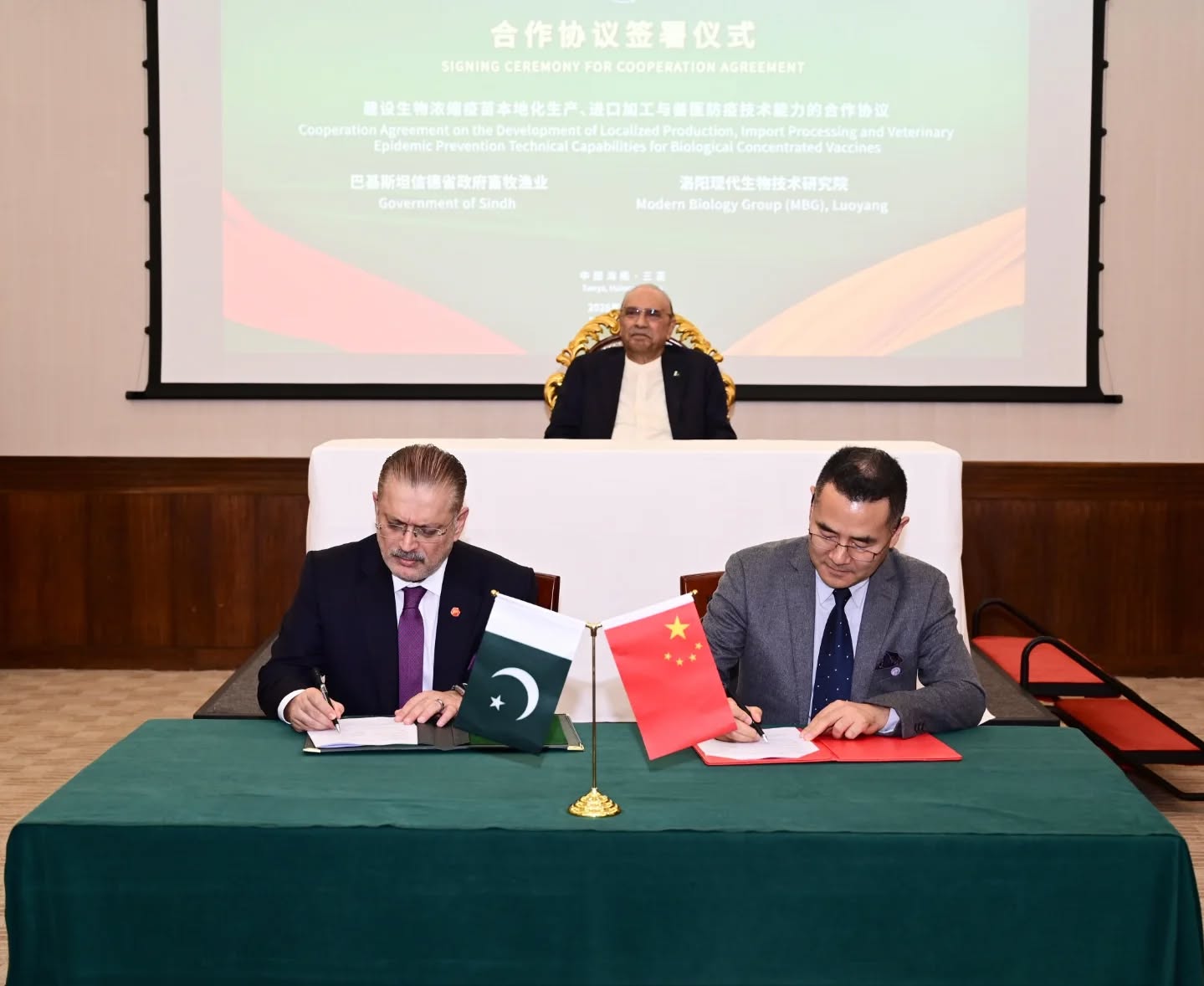
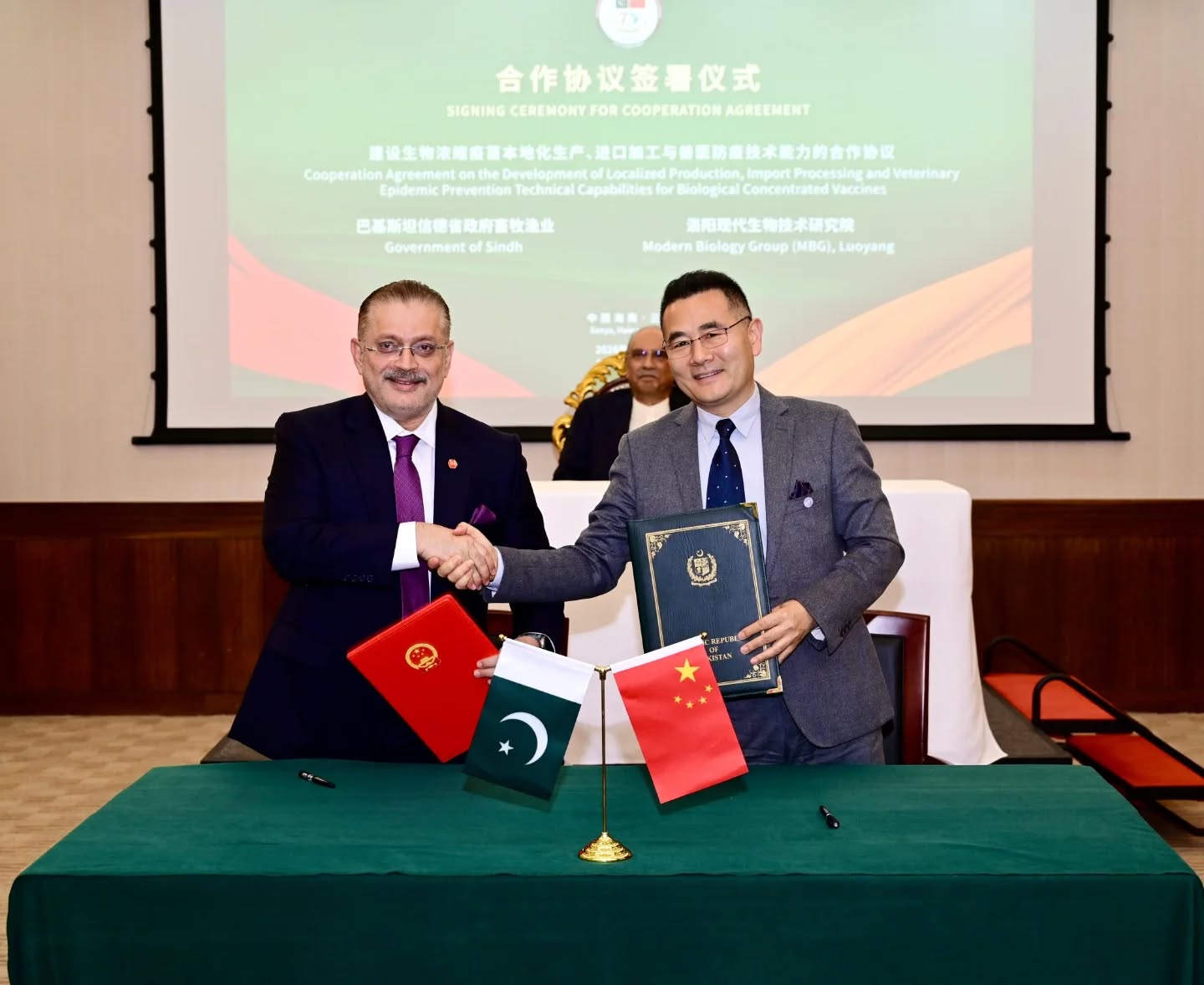
Pakistan President Asif Ali Zardari witnesses the signing of a Joint Venture Agreement between the Livestock & Fisheries Department, Government of Sindh and Luoyang Modern Biology Group, China

-
Pakistan China, Joint Venture Agreement for Livestock, Fisheries
-
Pakistan President Asif Ali Zardari witnesses the signing of a Joint Venture Agreement between the Livestock & Fisheries Department, Government of Sindh and Luoyang Modern Biology Group, China
By: Muhammad Arif, Editor NSN.Asia
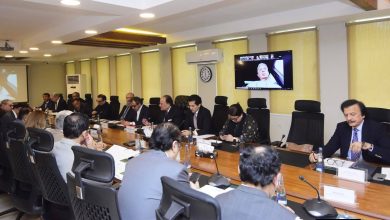
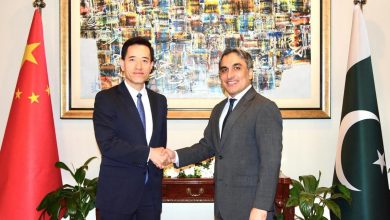
Sanya, Hainan, China — 1 May 2026 — In a significant step toward deepening bilateral economic cooperation, Pakistan President Asif Ali Zardari witnessed the signing of a Joint Venture Agreement between the Livestock & Fisheries Department, Government of Sindh, and Luoyang Modern Biology Group of China. The agreement was formally signed by Sindh’s Senior Minister for Livestock and Fisheries, Sharjeel Inam Memon, and the Chairman of Luoyang Modern Biology Group, Wang Shanpu, during a ceremony held in Sanya, Hainan.
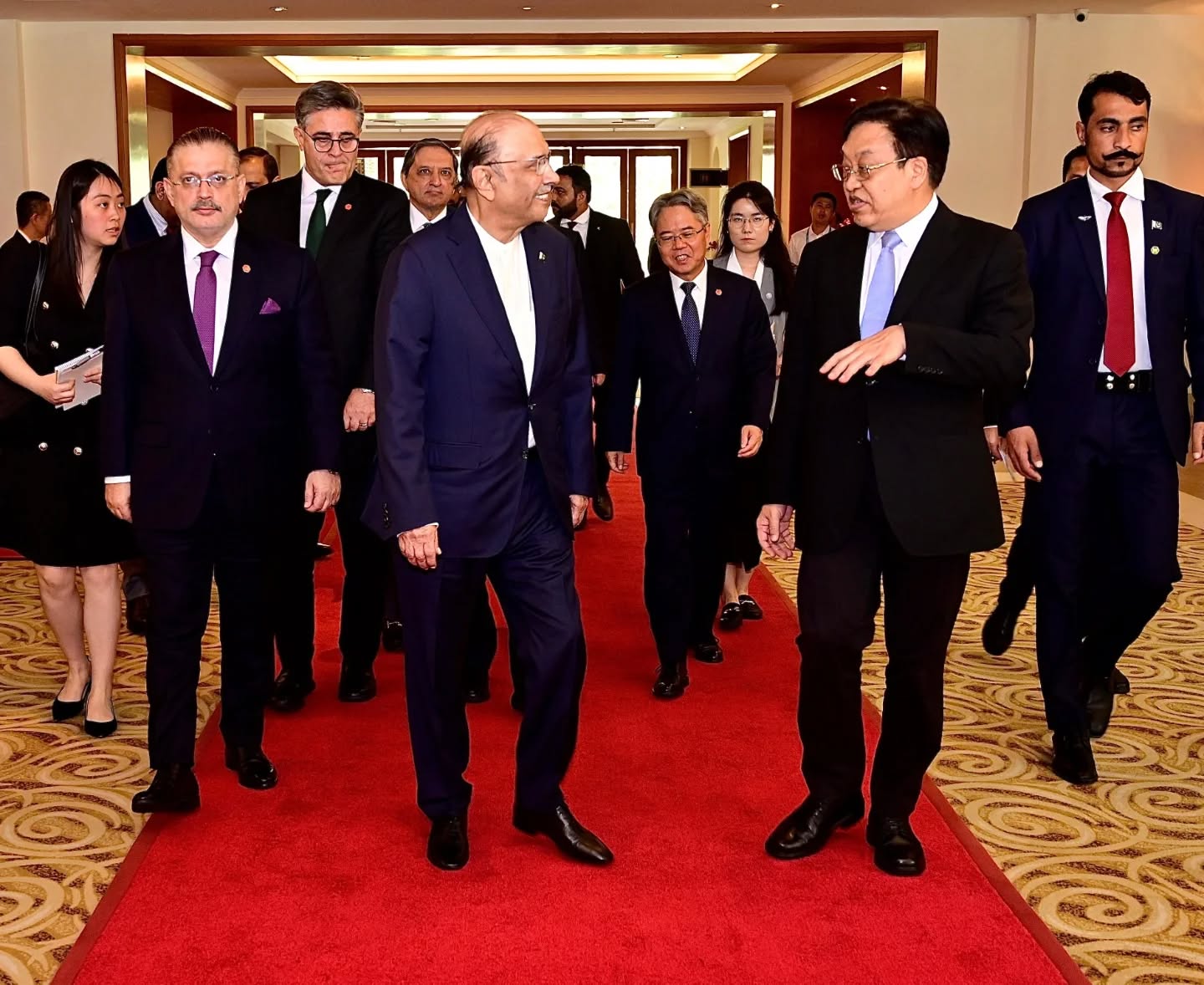
The signing took place in the presence of senior officials from both countries, underscoring the strategic importance both Islamabad and Beijing continue to place on expanding cooperation beyond traditional infrastructure and energy projects into agriculture, livestock, and marine resource development.
A New Chapter in Sindh’s Livestock and Fisheries Sector
The joint venture is expected to bring Chinese technical expertise, investment, and modern biotechnology practices into Sindh’s livestock and fisheries sector — an area long considered to have significant untapped potential given the province’s extensive coastline along the Arabian Sea and its historically strong agrarian and pastoral economy. Sindh has traditionally been one of Pakistan’s largest contributors to national livestock output and fish production, but the sector has faced persistent challenges including limited access to modern breeding technology, inadequate cold-chain infrastructure, and underdeveloped processing and value-addition capacity.
Luoyang Modern Biology Group, a Chinese enterprise with expertise in biological and agricultural technology, is expected to bring modern breeding techniques, disease management systems, and biotechnology applications to the partnership. While specific project details were not immediately disclosed, joint ventures of this nature typically involve technology transfer, capacity-building initiatives, and phased investment in infrastructure such as hatcheries, processing facilities, and veterinary support systems.
Statements and Significance
Senior Minister Sharjeel Inam Memon, who has been a vocal advocate for modernising Sindh’s livestock and fisheries sectors, signed the agreement on behalf of the provincial government. His department has in recent years pursued several initiatives aimed at attracting foreign investment and technical partnerships to boost productivity, improve export competitiveness, and generate employment in rural and coastal communities across the province.
For Luoyang Modern Biology Group, the agreement represents an expansion of its international footprint into South Asia, aligning with China’s broader interest in agricultural and biotechnology cooperation with partner countries under various bilateral and multilateral frameworks. Chairman Wang Shanpu’s participation in the signing signals the company’s commitment to the venture at the highest corporate level.
The presence of President Asif Ali Zardari at the signing ceremony lends considerable political weight to the agreement, reflecting the continued emphasis both governments place on Pakistan-China economic ties. It also suggests that livestock and fisheries cooperation may be emerging as a new pillar of bilateral engagement, complementing the longstanding China-Pakistan Economic Corridor (CPEC) and other infrastructure-driven initiatives that have historically dominated the bilateral relationship.
Broader Context: Pakistan-China Economic Ties
Pakistan and China have maintained a close strategic and economic partnership for decades, with cooperation spanning infrastructure, energy, trade, and increasingly, agriculture and technology. While CPEC has largely focused on transport corridors, power generation, and industrial zones, both governments have in recent years signalled interest in diversifying the relationship to include sectors such as agriculture, livestock, and fisheries — areas seen as having direct benefits for rural livelihoods and food security in Pakistan.
Livestock and fisheries collectively contribute a substantial share to Pakistan’s agricultural GDP, and provincial governments, including Sindh, have increasingly sought foreign partnerships to modernise these sectors. Agreements involving Chinese biotechnology firms are seen by provincial officials as a pathway to improving breed quality, disease control, and overall yield — improvements that could enhance both domestic food security and export potential, particularly to markets in the Middle East and China itself, where demand for halal meat and seafood products continues to grow.
What Comes Next
Following the signing, attention is expected to turn toward the implementation phase, including the finalisation of project timelines, investment commitments, and the specific technical and infrastructure components of the joint venture. Provincial officials are likely to coordinate closely with Luoyang Modern Biology Group representatives to establish pilot projects, which could later be scaled depending on early outcomes.
The agreement is likely to be viewed by observers as part of a broader pattern of Pakistan seeking to attract diversified Chinese investment beyond large-scale infrastructure, into sectors with more direct impact on rural employment and provincial economies. As Sindh’s Livestock & Fisheries Department moves forward with implementation, further details regarding project scope, funding structure, and expected timelines are anticipated in the coming weeks.
For now, the signing in Sanya marks a symbolic and substantive step in Pakistan-China relations — one that provincial and federal officials alike are likely to point to as evidence of the relationship’s continued evolution into new economic domains.