Partipants Call for Eurasian Connectivity at Eurasian Economic Youth Forum in Russia
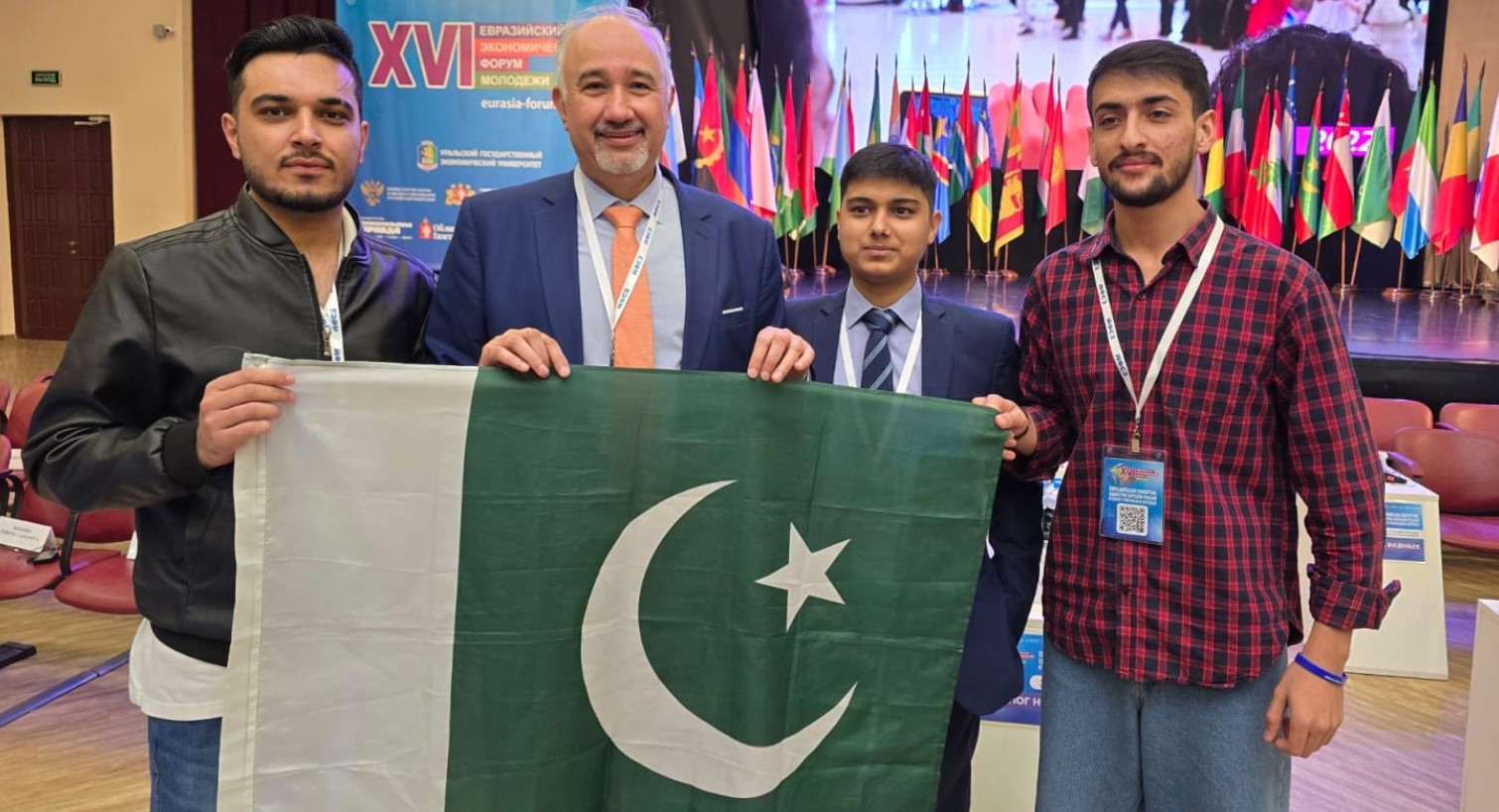
Pakistan envoy to Russia calls for youth-driven regional connectivity at XVI Eurasian Economic Youth Forum in Yekaterinburg, Russia.

-
Digital Connectivity in Eurasia: Building the Architecture of Tech Integration
-
XVI Eurasian Economic Youth Forum concludes emphasizing the role of youth in navigating the complexities of Eurasian economic integration.
By Muhammad Arif, Editor NSN.Asia
YEKATERINBURG, RUSSIA — In an era defined by fractured alliances and shifting economic corridors, the traditional levers of global diplomacy are being tested. Against this backdrop, the XVI Eurasian Economic Youth Forum, held in Yekaterinburg from April 21 to 24, 2026, presents an ambitious counter-narrative: that the intellectual youth of today can forge the economic integration of tomorrow.
With over 24,000 participants from 117 countries descending upon the Ural State University of Economics, the scale of the event is undeniable. Yet, as diplomats—including Pakistan’s Ambassador to the Russian Federation, H.E. Faisal Niaz Tirmizi—take to the podium, a critical question emerges: Can youth-led synergy practically dismantle the economic and political barriers currently dividing the globe?
- The Geopolitical Backdrop of ‘Eurasian Synergy’
This year’s theme, “Eurasian Synergy: Unity of the Peoples of Russia in an Era of Global Change,” explicitly acknowledges the transformative, and often volatile, state of international relations. The presence of more than 90 members of the diplomatic corps and 500 international experts highlights a collective urgency to secure new avenues for cooperation.
Addressing the forum, Yakov Silin, Acting Rector of Ural State University of Economics, urged young attendees to view their research as a “powerful and pragmatic response to any attempts to slow down development.” While the rhetoric of unity is compelling, turning these academic ideals into actionable trade policies across the CIS and beyond requires navigating heavy sanctions and complex regional rivalries. The forum serves as a critical stress test for whether soft power can yield hard economic outcomes.
- Pakistan’s Strategic Pivot: Balancing Trade and Diplomacy
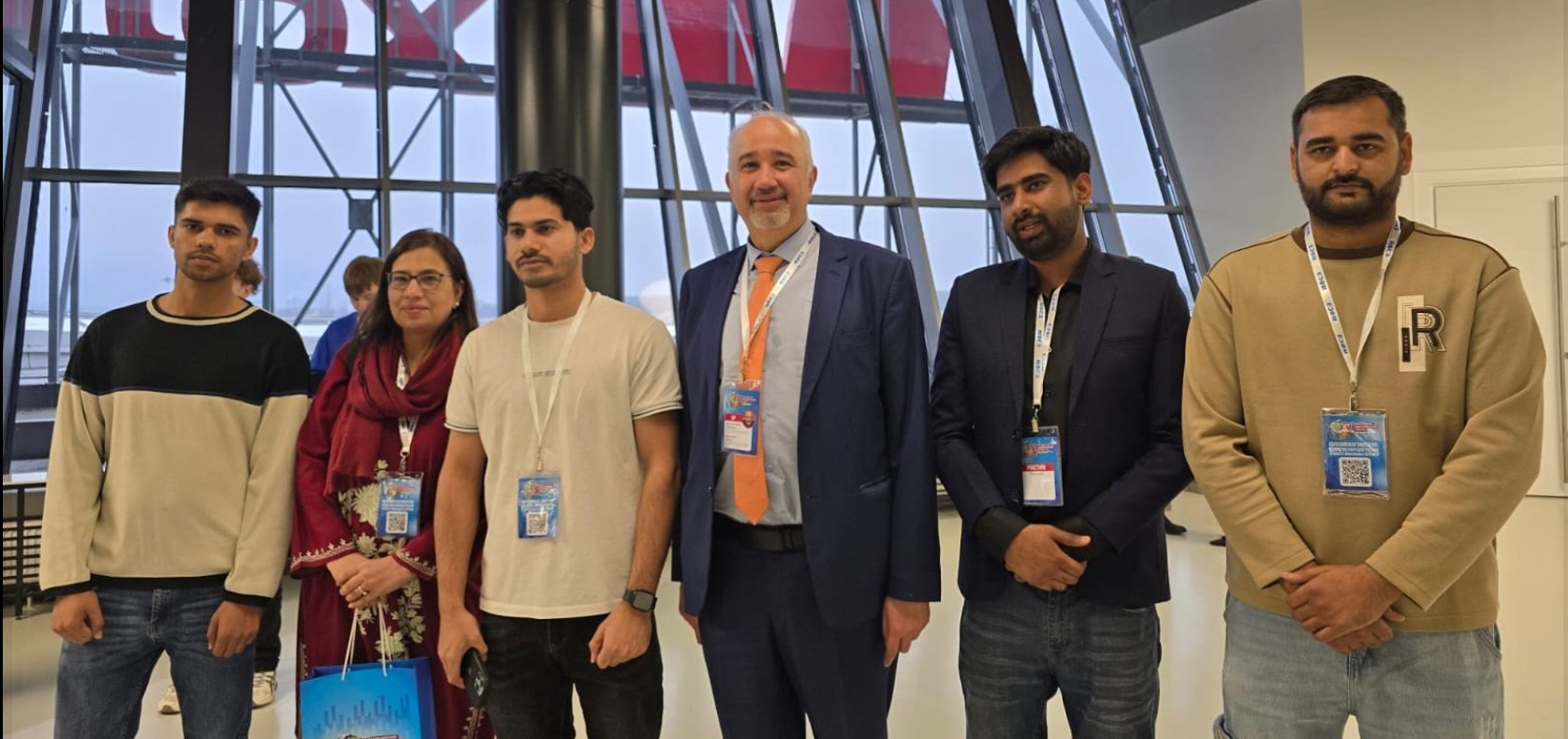
For Pakistan, the forum is more than an academic exercise; it is a strategic platform. Ambassador Tirmizi’s guest lecture, “Pakistan-Russia Relations and the Framework of Eurasian Connectivity,” underscored Islamabad’s intent to position itself as a linchpin in regional trade networks.
Speaking to students from Central and South Asia, alongside the Deputy Governor of the Sverdlovsk Region, Vasily Kozlov, Tirmizi highlighted the necessity of youth involvement in shaping global trade. Pakistan’s diplomatic push in Yekaterinburg signals a clear, continued effort to diversify its economic partnerships and solidify its standing within the broader Eurasian framework, moving beyond traditional Western-centric economic models.
- Rhetoric vs. Reality: The Middle East Crisis as a Litmus Test
Perhaps the most telling aspect of the forum was the unavoidable intrusion of real-world conflicts into the academic bubble. Ambassador Tirmizi’s discussions with young diplomats inevitably pivoted to current geopolitics, specifically Pakistan’s role in attempting to diffuse the ongoing Middle East crisis—a conflict that, as noted during the event, “has affected every life on the planet.”
This acknowledgment injects a necessary dose of reality into the proceedings. It demonstrates that any discussion of Eurasian economic integration cannot occur in a vacuum. Trade routes, technological exchange, and youth entrepreneurship are inherently vulnerable to broader geopolitical instability. The forum’s success relies not just on fostering business ideas, but on equipping the next generation with the diplomatic pragmatism required to manage these crises.
- The Architecture of Integration: Six Congresses, One Goal
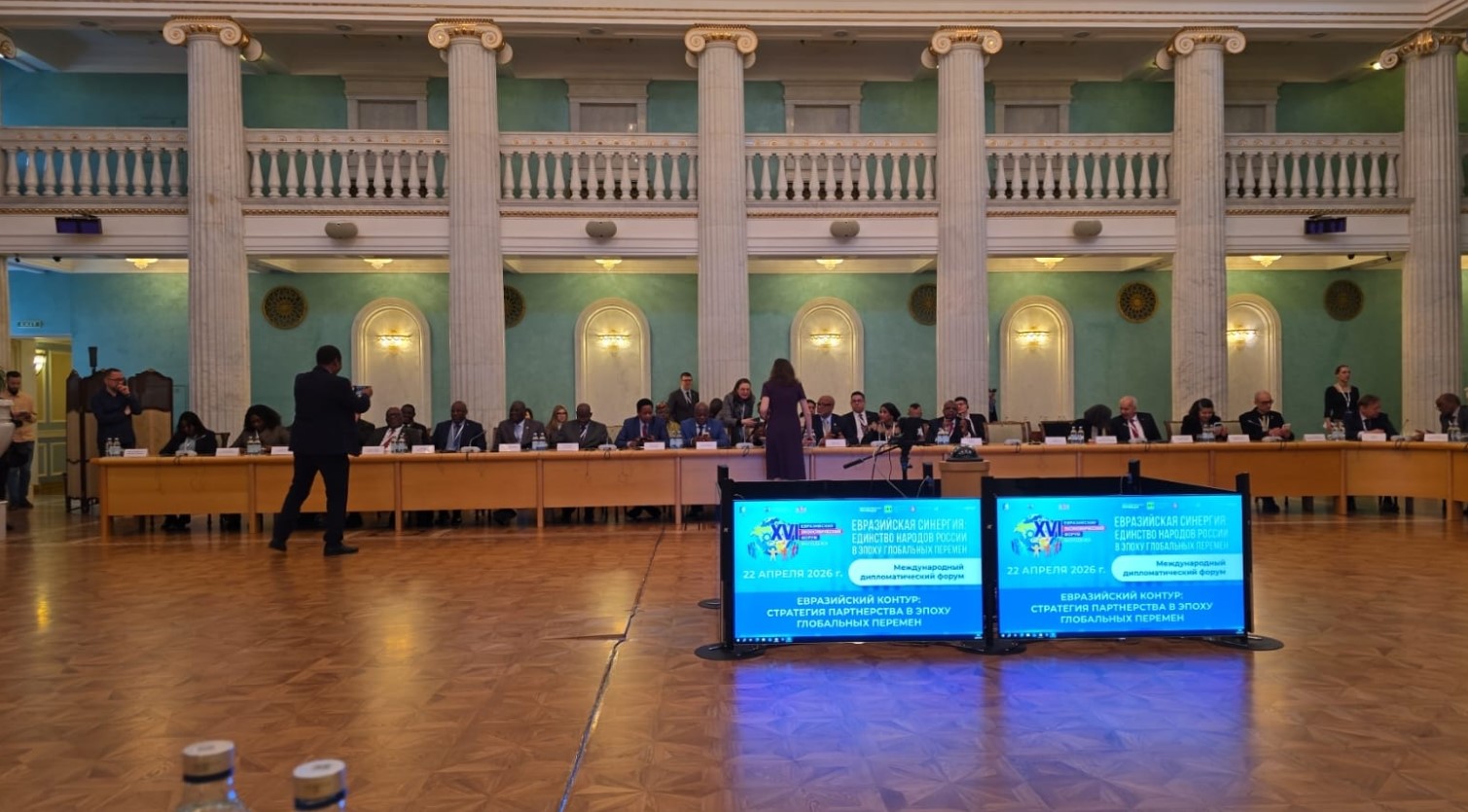
To move beyond abstract discussions, the forum is structured around six distinct congresses: Schoolchildren, Digital Eurasia, Management and Law, Economists and Financiers, Entrepreneurship and Engineering, and Strategists.
Supported by the Russian Ministry of Science and Higher Education and the Federal Agency for Youth Affairs, these specialized tracks aim to cultivate tangible skills. The inclusion of an International Diplomatic Forum and over 40 competitive events suggests an earnest attempt to build a functional, cross-border network of professionals. However, the true metric of success will be whether these connections survive the closing ceremonies and translate into concrete international start-ups or bilateral agreements.
- Digital Eurasia: The Technological Frontier
While physical trade routes and diplomatic handshakes dominate the headlines, the forum acknowledges that the future of Eurasian connectivity is inextricably linked to technological sovereignty. The “Digital Eurasia” congress—one of the event’s most critical tracks—addresses the urgent need for a unified digital infrastructure across participating nations.
As global supply chains for information technology remain fractured by sanctions and strategic competition, this track emphasizes youth-driven innovation in IT, cybersecurity, and digital entrepreneurship. For countries like Pakistan and Russia, fostering a shared digital ecosystem is no longer just an economic advantage; it is viewed as a vital buffer against external technological reliance and a cornerstone of future economic resilience.
- The Road Ahead: Will Intellectual Youth Drive Genuine Change?
As the XVI Eurasian Economic Youth Forum concludes, the dichotomy between its grand vision and the current global reality remains stark. Video messages of support from high-ranking officials like Olga Petrova, Deputy Minister of Science and Higher Education, reaffirm state backing for this youth-centric approach to diplomacy.
The ambition to “form a new reality,” as Silin stated, rests heavily on the shoulders of these young scientists, economists, and diplomats. While the forum successfully provides the scaffolding for Eurasian Connectivity, it is the ongoing resilience and adaptability of its youthful participants that will ultimately determine if this synergy is a genuine geopolitical force or merely an optimistic diplomatic exercise.