

The United Nations refugee agency on Friday declared the escalating Middle East crisis a major humanitarian emergency, warning that millions of civilians fleeing violence must be guaranteed safe passage.
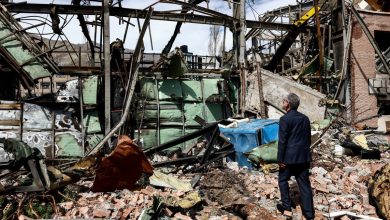
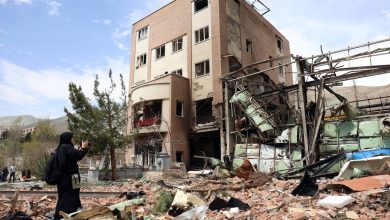
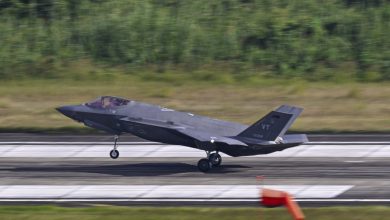
The announcement comes amid intensifying hostilities that began Feb. 28, when Israel and the U.S. launched coordinated strikes on Iranian targets, including nuclear facilities, missile sites, and key military installations.
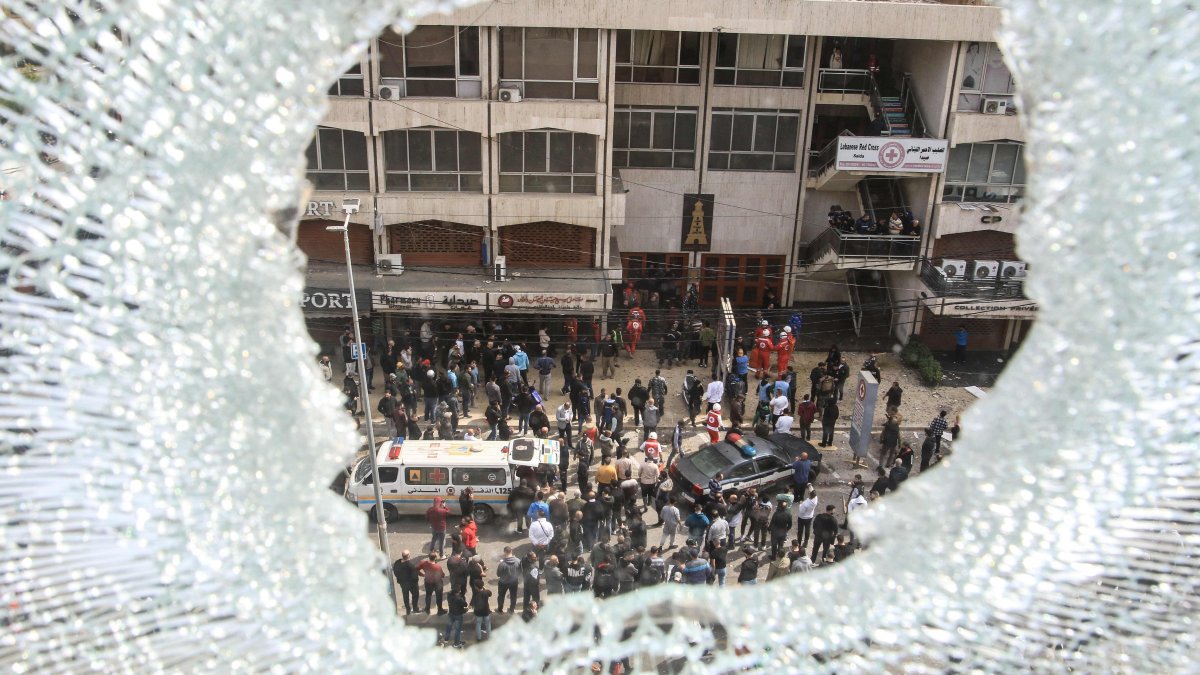
The conflict has since spread across the region, drawing in Hezbollah in Lebanon, prompting Israeli retaliatory strikes, and creating waves of displacement that threaten to overwhelm already fragile host communities.
Ayaki Ito, UNHCR’s director of emergency programs and cross-regional refugee coordinator, said in a Geneva briefing that recent clashes have displaced hundreds of thousands of families and underscored the urgent need for humanitarian action.
“UNHCR has declared the escalating crisis in the Middle East as a major humanitarian emergency requiring an immediate response across the region,” Ito said. “It is imperative that all civilians who need to move, or cross borders, find safety and safe passage.”
The agency estimates that more than 330,000 people have been displaced since the escalation began.
In Lebanon, nearly 100,000 people have been forced from their homes, with more than 58,000 sheltering in over 320 collective sites.
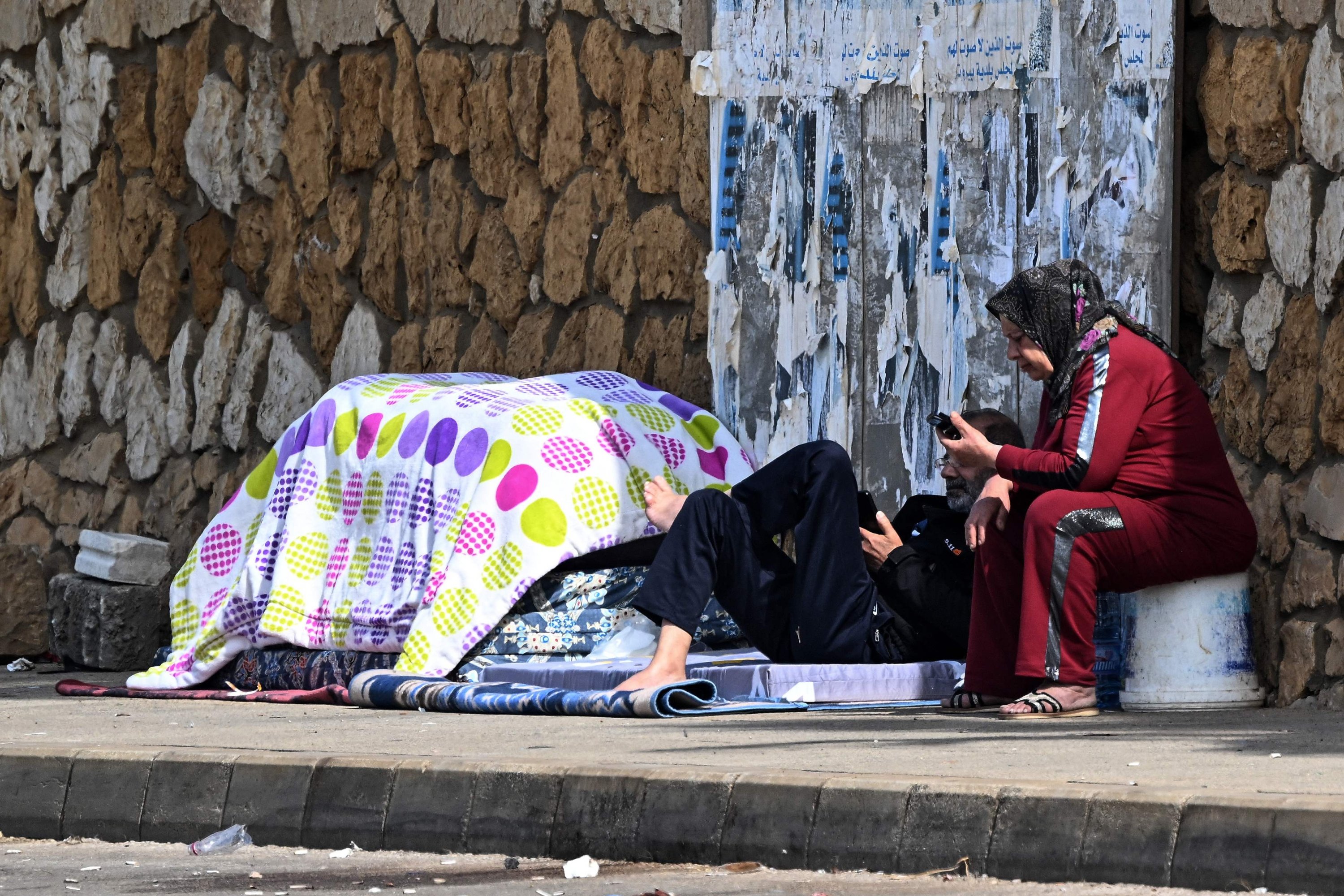
Thousands of Syrian refugees in Lebanon have returned across the border to Syria, where arrivals have exceeded 30,000.
In Iran, internal displacement has already affected roughly 100,000 people, while UNHCR offices are fielding hundreds of calls daily from those seeking aid.
The crisis compounds an already complex displacement landscape. The Middle East and neighboring regions already host nearly 25 million people as refugees, internally displaced persons, or recent returnees.
UNHCR is mobilizing teams to deliver emergency shelter, food, water, and medical care, but funding gaps threaten response efforts.
The agency has requested $454.2 million for 2026 to support displaced populations in Afghanistan, Iran, Pakistan, and Central Asia, though only 15% of that has been secured.
Adding to the humanitarian strain are ongoing clashes along the Afghanistan-Pakistan border, where violence since late February has displaced over 115,000 people in Afghanistan and 3,000 in Pakistan.
Civilians have suffered heavy casualties, with at least 56 killed and 129 wounded in Afghanistan alone. The International Organization for Migration has warned that spontaneous returns and deportations could worsen an already dire situation.