

Israel’s Supreme Court on Friday froze a government order that would have barred dozens of international aid organizations from operating in the Gaza Strip and other Palestinian areas, issuing the ruling as Israeli strikes killed at least four people across the blockaded enclave, despite the cease-fire.
The Supreme Court’s order, which followed a petition from 17 aid groups, effectively halted an earlier Israeli government decision that barred aid groups for refusing to comply with Israel’s new rules.
Israel had announced it would ban 37 aid groups by March 1 for not abiding by rules introduced last year that require aid groups to register names and contact information of employees, and provide details about their funding and operations.
The groups view the rules as invasive and arbitrary, and say the ban would hinder critical assistance.
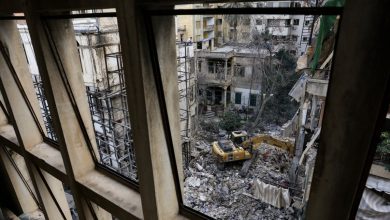
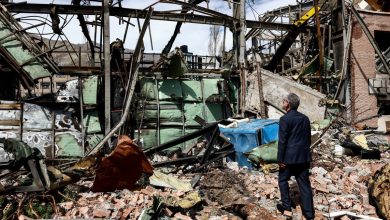
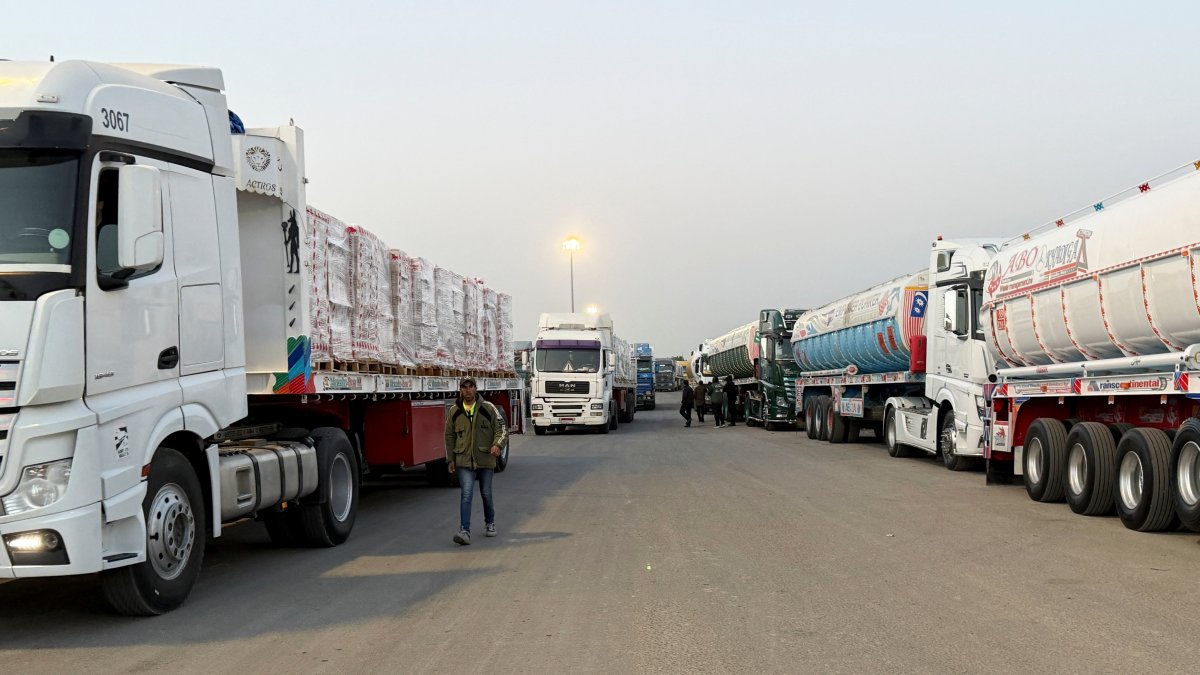
A U.S.-brokered cease-fire reached in October has halted major military operations. But Israel’s two-year war has left much of the territory in ruins and most of Gaza’s 2 million Palestinians reliant on international aid.
Israel has also continued to strike the enclave, mostly killing civilians.
Friday’s order was a temporary injunction while the court considers the case. There was no timeline for a final decision.
“This is, however, a step in the right direction – with a long, long way still to go. We will keep fighting to be able to do our jobs, and deliver life saving assistance to Palestinians in need,” said Athena Rayburn, the executive director of AIDA, an umbrella organization representing over 100 groups operating in the Palestinian territories.
Lawyers representing the aid groups said the decision has given Palestinians in Gaza and the West Bank some “breathing room.”
The petition said the new rules violate international law, and that Israel, as an occupying power, has the obligation to ensure food and medicine reach people. It also says Israel does not have the authority to shutter organizations in areas under the nominal control of the Palestinian Authority.
COGAT, the Israeli military body overseeing civilian affairs in Gaza, has said that the organizations whose licenses are to be revoked contribute less than 1% of the total aid going into the territory. More than 20 organizations will continue to operate after complying with the new regulations, it said.
Israeli airstrikes overnight killed at least four people, officials said Friday.
Such strikes have repeatedly disrupted the U.S.-negotiated truce since it took effect on Oct. 10. The escalating Palestinian death toll has left many in Gaza feeling as though the war never ended.
Three were killed by a strike on a police checkpoint in southern Gaza near Khan Younis, said Dr. Ahmed al-Farra at Nasser Hospital. Another died in a strike on a checkpoint in Bureij refugee camp, according to a statement from Gaza’s Interior Ministry, which oversees police in Gaza.
The Hamas-run police force has continued to operate in half the territory under the group’s control. The cease-fire agreement calls for Hamas to disarm and hand over power to a committee of Palestinian administrators, and for Israel to withdraw as international forces are deployed. There is no firm timeline for implementing those aspects of the agreement.