
CNN Training Program to Empower Storytellers of Global South
CNN Training opportunity is for content creators, journalists, or storytellers in the early stages of their career.

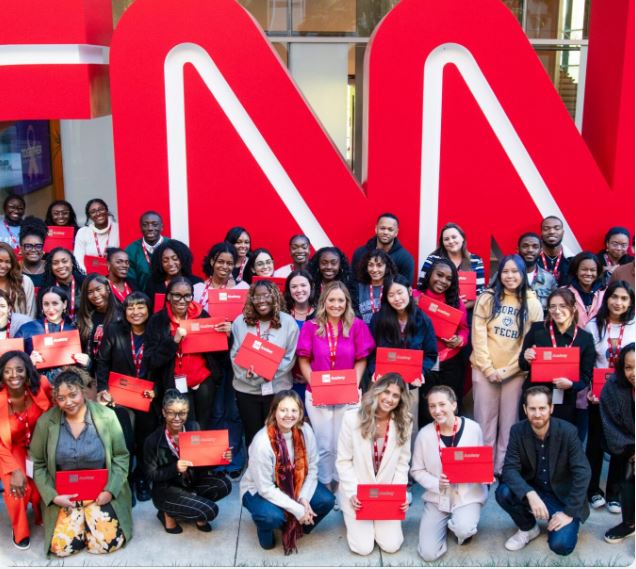
- CNN Academy Program for Storytellers for Global South
- CNN Training opportunity is for content creators, journalists, or storytellers in the early stages of their career.By: Muhammad Arif, Editor NSN.Asia
Islamabad: A leading news network, CNN, is looking for young talent from Global South for a training program aimed for those who can communicate clearly, creatively, and confidently.

- CNN Academy Program is for those who speak and write fluent English
- CNN Academy Program is for those are who ready to dive into a powerful training experience and apply what you learn
- CNN Academy Program is for those who can travel to Abu Dhabi in November 2025 for the annual CNN Academy Simulation.
The world is facing an era of unprecedented health challenges, from epidemics and disease outbreaks to the far-reaching impacts of humanitarian crises. In this landscape, we need a new generation of storytellers equipped to report facts and tell urgent, human-centered stories that can drive awareness, accountability, and action.
These stories aren’t just global – they’re deeply local. They demand storytellers who understand the cultural, political and systemic factors shaping health outcomes on the ground.
That’s why this program is investing in emerging journalism from the Global South across regions often at the epicenter of global health emergencies, yet underrepresented in coverage. From reporting on vaccine equity in Sub-Saharan Africa to humanitarian crises in conflict zones, to the resilience of frontline workers, this program will train you to find the stories that matter and tell them in depth, context and impact.
Phase One: Virtual Training: From July to October 1st, 2025
The first phase of the program is delivered entirely online through the CNN Academy Hub. During this phase, participants will engage in a series of courses designed to enhance their storytelling skills and deepen their understanding of global issues, particularly those affecting the Global South.
To be considered for Phase Two, participants must complete and pass all the required courses, earn the necessary badges, and submit a pitch for a piece you want to produce using the skills learned in the program.
Phase Two: In-Person Training and Simulation: November 2025, Abu Dhabi
Phase Two begins with hands-on training in Abu Dhabi, where participants will focus on mobile journalism techniques and storytelling practices, learning from CNN Academy’s expert trainers.
They will then participate in the 2025 CNN Academy Simulation, which will center on global health reporting. This high-pressure, real-world simulation will provide participants with the opportunity to apply their skills in a dynamic news environment while producing impactful stories.
How to apply
This program is open to young storytellers from the Global South who are eager to make a difference through journalism.
- Reside and work in a country located in the Global South which includes any developing country in Latin America and the Caribbean, Africa and Asia.
- Identify as a content creator, journalist, or storyteller in the early stages of their career.
- Have a portfolio of relevant work
- Possess strong communication skills and fluency in spoken and written English.
- Demonstrate a commitment to actively participating in the entire training program and applying the acquired skills to their reporting projects.
- Be able and willing to travel to Abu Dhabi for the CNN Academy Simulation in November 2025
Application Deadline: 23 June 2025
About the CNN Academy Program
This program is made possible through the generous support of the Gates Foundation. It aims to empower emerging storytellers from the Global South by providing them with the necessary tools and training to effectively tell stories that can create meaningful change. By fostering a diverse and inclusive global media landscape, the program helps ensure that the voices of the Global South are heard and understood in today’s fast-changing world.