
Kazakhstan Strengthens Academic Ties with Pakistan
President Kassym-Jomart Tokayev highlights Kazakhstan’s intellectual heritage and expands academic cooperation with Pakistan to promote global knowledge and sustainability.

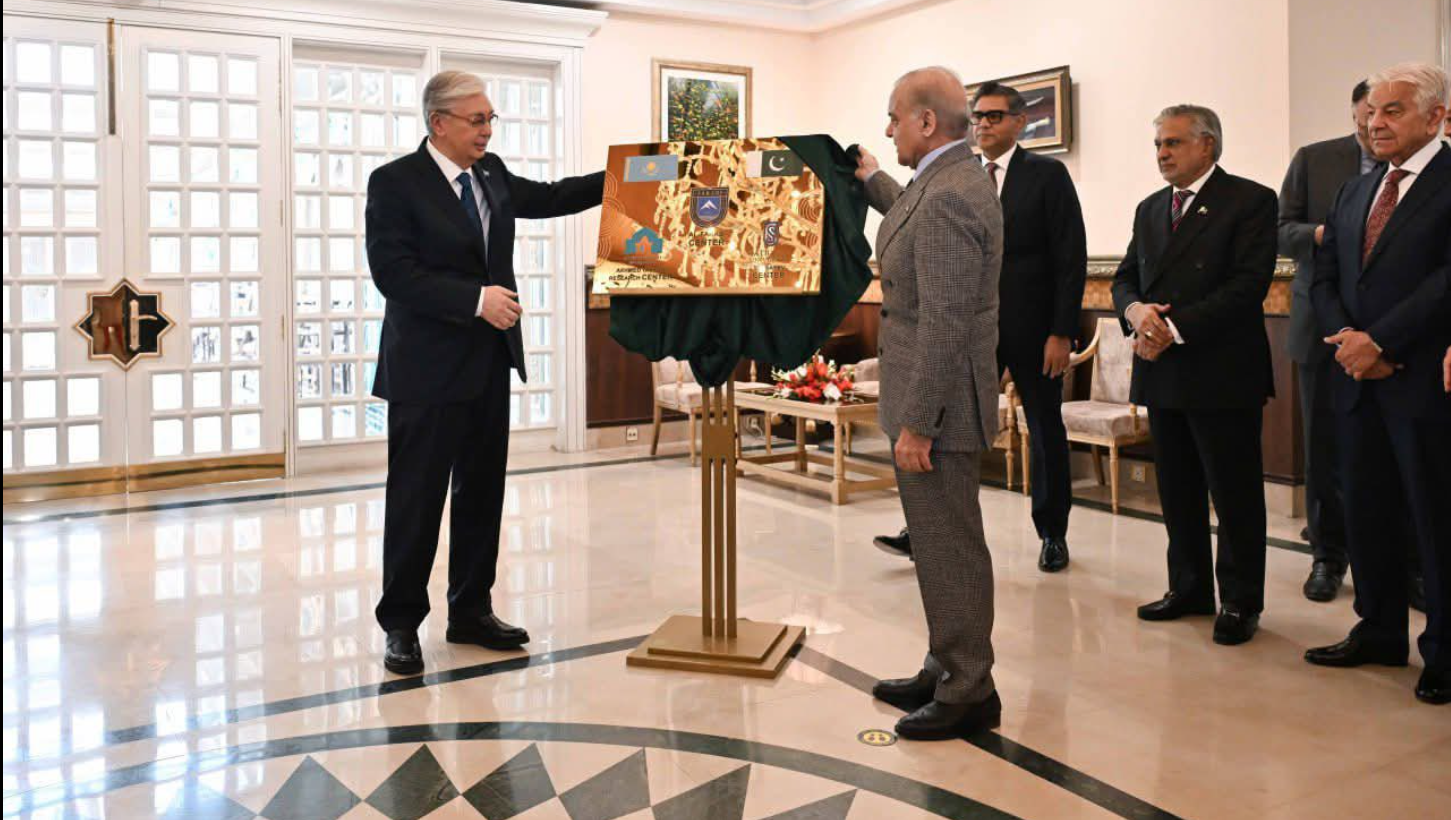
President Kassym-Jomart Tokayev highlights Kazakhstan’s intellectual heritage and expands academic cooperation with Pakistan to promote global knowledge and sustainability.
By Muhammad Arif, Editor NSN.Asia
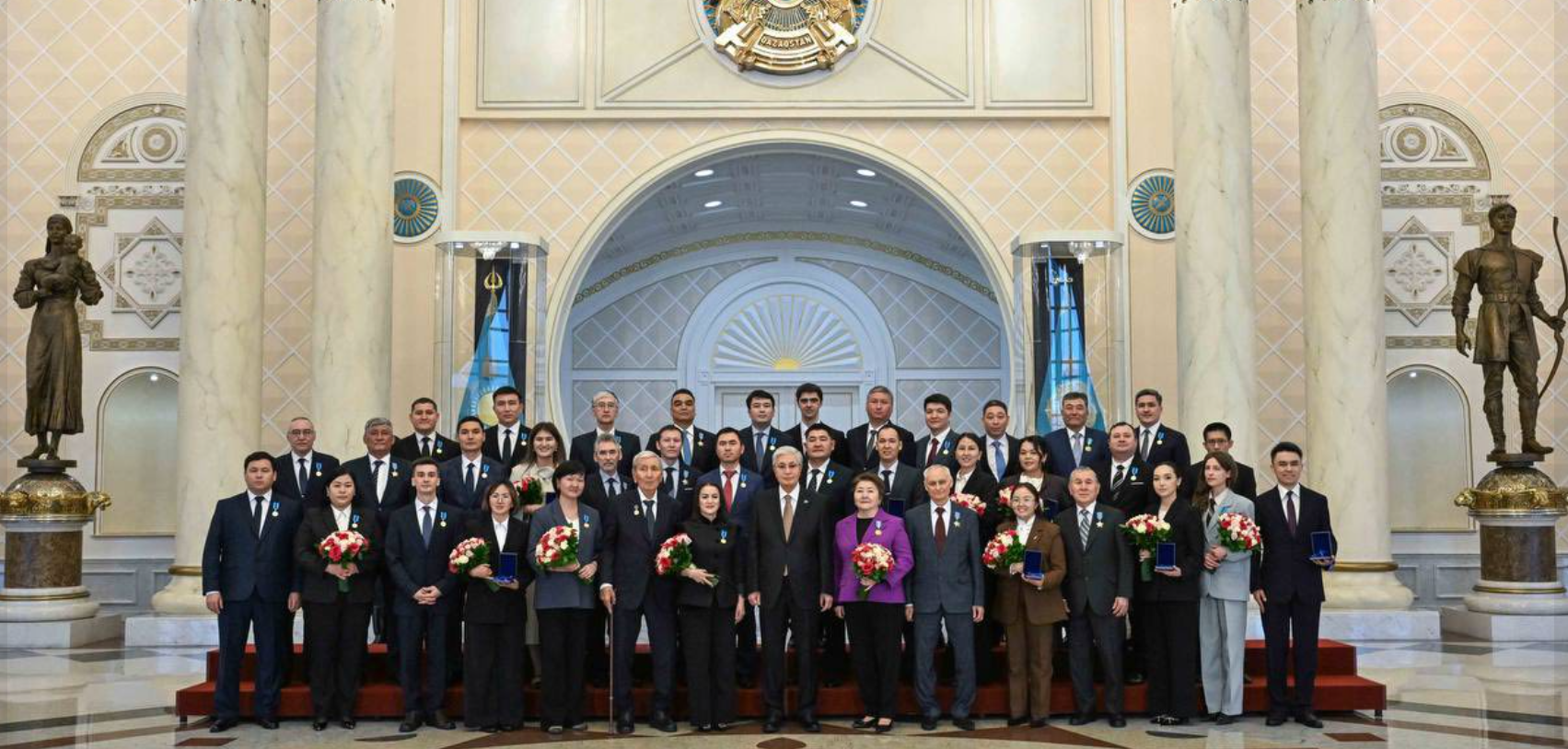
ASTANA, April 10, 2026 — President Kassym-Jomart Tokayev has underscored the importance of revitalizing the intellectual and spiritual legacy of historic thinkers during a prestigious award ceremony for scientists held in Astana. His remarks not only reaffirm Kazakhstan’s cultural pride but also highlight a growing commitment to international academic collaboration, particularly with Pakistan.
Revival of Great Thinkers in Modern Context
Addressing leading scholars and scientists, President Tokayev emphasized that the teachings of Abai Kunanbayuly, Al-Farabi, and Khoja Ahmed Yasawi remain deeply relevant in today’s rapidly changing world.
He described their contributions as part of the “golden fund of human civilization,” stressing that these intellectual giants left behind an “inexhaustible spiritual wealth.” According to the President, their philosophies offer timeless guidance on ethics, knowledge, and human development—values increasingly critical in an era defined by technological advancement and global challenges.
“We must rethink, widely promote, and comprehensively develop the ideas of our scholars,” Tokayev stated, calling for a systematic approach to integrating their teachings into contemporary discourse.
Institutionalizing Cultural and Intellectual Recognition
In a move to further institutionalize this vision, the President highlighted the establishment of the Order of Khoja Ahmed Yasawi as a national honor recognizing contributions to cultural and spiritual development. Building on this initiative, he proposed the introduction of a new state award named after Al-Farabi.
This initiative reflects Kazakhstan’s broader effort to align its national identity with its rich intellectual traditions while encouraging future generations to engage with philosophical inquiry and academic excellence.
Strengthening Academic Bridges with Pakistan
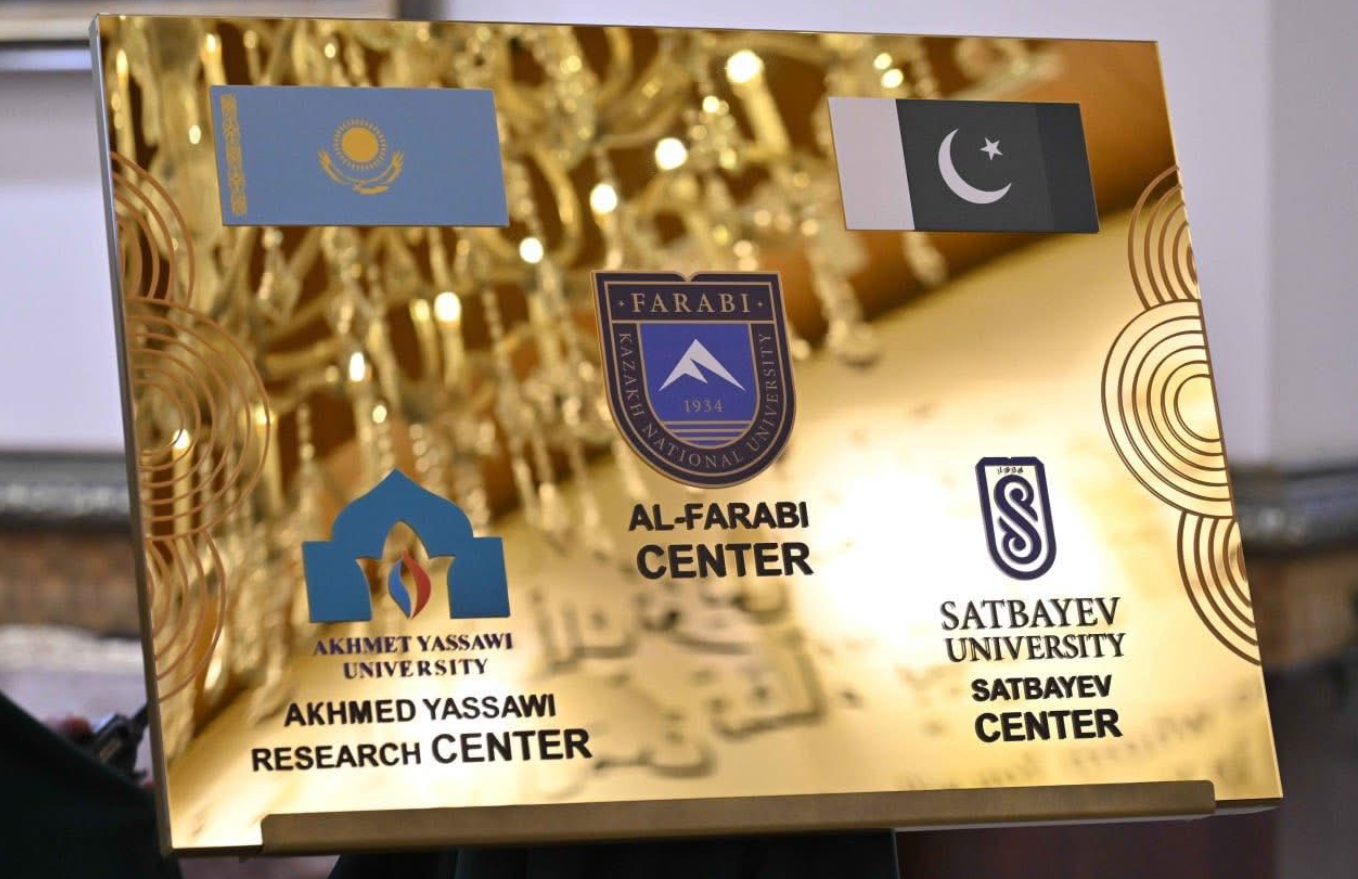
A significant dimension of Kazakhstan’s strategy lies in expanding international academic cooperation. During President Tokayev’s state visit to Pakistan on February 3–4, 2026, three major scientific and academic centers were established in Islamabad.
These include:
The Al-Farabi Center at Quaid-i-Azam University
The Khoja Ahmed Yasawi Center at International Islamic University Islamabad
The K. Satbayev Center for Science and Technology at National University of Sciences and Technology
These institutions are expected to serve as hubs for research, dialogue, and cultural exchange, fostering deeper intellectual ties between the two nations.
Academic Diplomacy and Global Knowledge Exchange
Experts view this initiative as a form of “academic diplomacy,” where nations collaborate through education and research to address global challenges. By connecting scholars across borders, Kazakhstan and Pakistan aim to create platforms that not only preserve historical knowledge but also apply it to modern issues such as technological innovation, ethical governance, and sustainable development.
The partnership signals a broader shift toward knowledge-based cooperation in international relations, where intellectual heritage becomes a shared global asset rather than a localized cultural resource.
Linking Intellectual Heritage to Modern Global Challenges
President Tokayev’s emphasis on philosophical legacy also resonates with pressing global concerns, including climate change, social inequality, and the ongoing water crisis. The teachings of historical thinkers often stress harmony between humanity and nature—an idea increasingly relevant as the world grapples with environmental degradation.
Scholars argue that revisiting classical philosophies can provide ethical frameworks for addressing such challenges, particularly in regions facing resource scarcity and ecological stress.
Background: A Growing Global Water Crisis
The renewed focus on intellectual heritage comes at a time when humanity is confronting a severe and escalating water crisis. According to global assessments by organizations such as UNESCO, billions of people worldwide face limited access to safe drinking water, while climate change continues to disrupt water availability.
Rapid urbanization, population growth, and unsustainable consumption patterns have placed unprecedented pressure on freshwater resources. In many parts of Asia and Africa, water scarcity is not only an environmental issue but also a driver of economic instability and social conflict.
Experts warn that without coordinated global action, water shortages could intensify in the coming decades, affecting food security, public health, and overall human development. This crisis underscores the importance of interdisciplinary approaches—combining science, policy, and ethical thought—to develop sustainable solutions.
Toward a Shared Intellectual and Sustainable Future
Kazakhstan’s initiative to promote the legacy of its great thinkers, alongside its academic partnerships with Pakistan, reflects a broader vision of integrating historical wisdom with modern innovation. By fostering intellectual exchange and cultural dialogue, both nations aim to contribute to a more informed and cooperative global community.
The emphasis on philosophical heritage serves not only as a cultural endeavor but also as a strategic framework for addressing contemporary global challenges. As President Tokayev highlighted, the ideas of past scholars remain a powerful resource for shaping a sustainable and harmonious future.
Conclusion
The address by President Kassym-Jomart Tokayev in Astana marks a significant step in bridging the past with the present. Through institutional initiatives, international collaboration, and renewed academic focus, Kazakhstan is positioning itself as a leader in promoting intellectual heritage on a global scale.
At a time when the world faces complex challenges such as the water crisis and environmental sustainability, the revival of timeless philosophical ideas offers both inspiration and practical guidance. The growing partnership between Kazakhstan and Pakistan demonstrates how nations can work together—through knowledge, culture, and shared values—to build a more resilient and enlightened future.