

Iran on Monday rejected claims of negotiations with the United States, even as Israeli officials indicated a potential meeting between the two sides could take place in Islamabad later this week, exposing deep contradictions in signals around efforts to end the war.
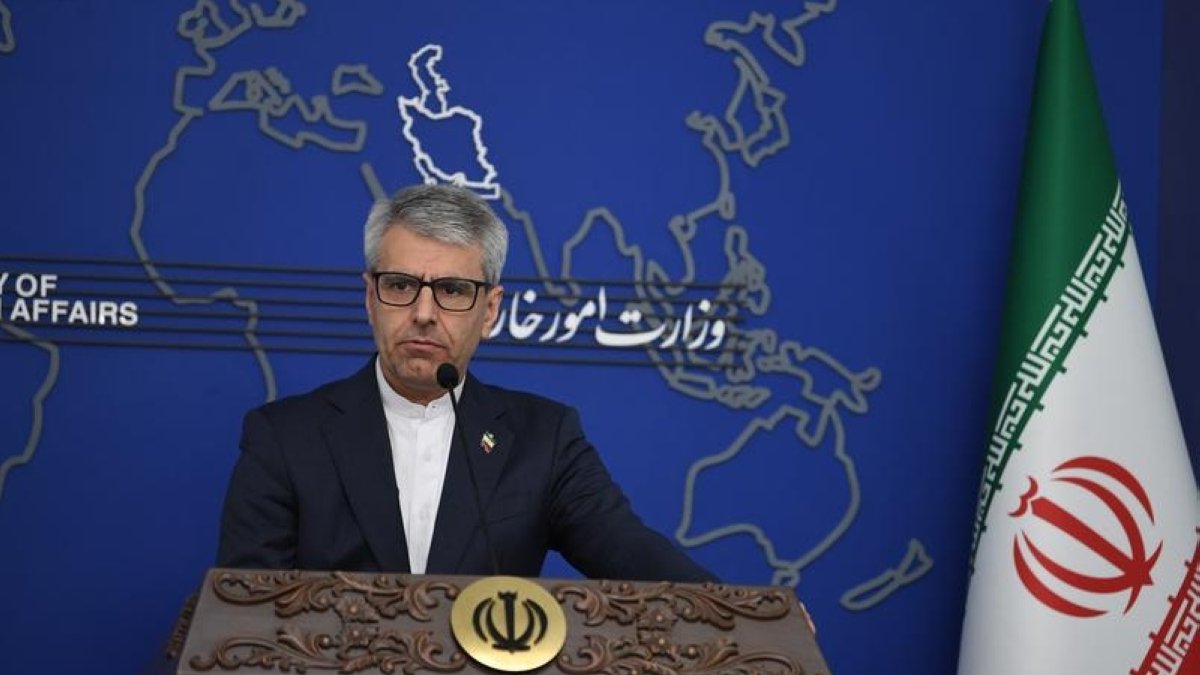
Foreign Ministry spokesperson Esmaeil Baghaei said that while messages had been relayed through what he described as “friendly countries,” Iran has not engaged in any direct or indirect talks with the U.S. since the outbreak of the war.
He stressed that Tehran’s response to such messages remained aligned with its core principles and warned that any attack on critical infrastructure, particularly energy facilities, would trigger a swift and forceful military response.
Baghaei also said Iran’s position regarding key issues, including the Strait of Hormuz and conditions for ending the war, remains unchanged.
The denial was echoed by Parliament Speaker Mohammad Bagher Ghalibaf, who dismissed reports of negotiations and accused the United States of spreading misleading information to influence global markets and shift attention from the conflict.
Despite Tehran’s firm stance, reports from Israeli sources suggested that diplomatic channels may still be active behind the scenes. According to those reports, mediators are attempting to arrange a meeting in Pakistan’s capital, Islamabad, involving senior figures from both sides later this week, though the format and level of contact remain unclear.
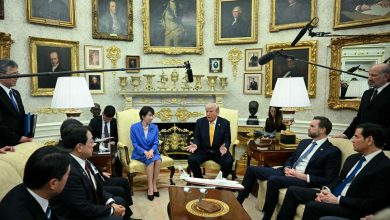
The developments come after U.S. President Donald Trump said recent interactions with Iran had been “productive” and announced a temporary halt to strikes on Iranian energy infrastructure, signaling a possible opening for diplomacy.
At the same time, Pakistan has emerged as a potential intermediary, with reports indicating that its military leadership has been in contact with Washington as part of broader efforts to facilitate dialogue.
Fighting has intensified since the United States and Israel launched a joint offensive on Iran on Feb. 28, with casualties surpassing 1,300.
Iran has responded with waves of drone and missile attacks targeting Israel, as well as countries hosting U.S. military assets in the region, leading to casualties, infrastructure damage and disruptions to global markets and aviation.
The stark contrast between public denials and reports of possible talks highlights the uncertainty surrounding diplomatic efforts, as regional and international actors continue to search for a path toward de-escalation.