
China, ASEAN Deepen AI, Digital Infrastructure, E-commerce Cooperation
China and ASEAN deepen AI, digital infrastructure, e-commerce and green cooperation at the Nanning Expo, building a Digital Silk Road under CAFTA 3.0.

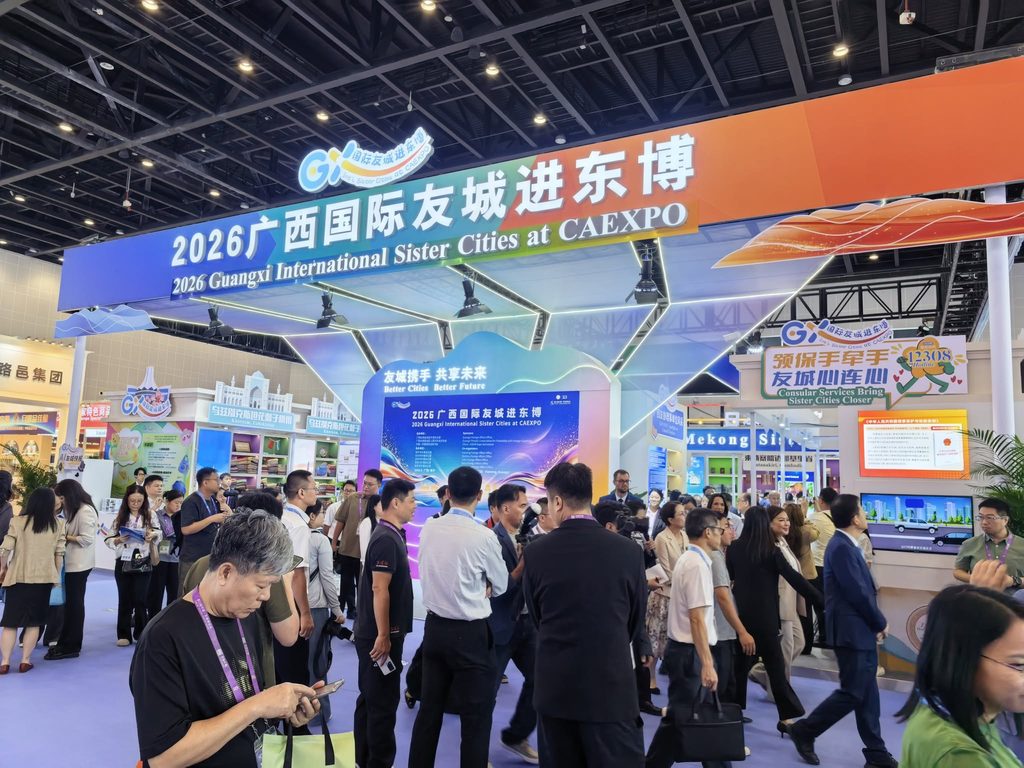
-
China, ASEAN Deepen AI, Digital Infrastructure, E-commerce Cooperation
-
China and ASEAN deepen AI, digital infrastructure, e-commerce and green cooperation at the Nanning Expo, building a Digital Silk Road under CAFTA 3.0.
-
Digital Infrastructure and E-Commerce as Connective Tissues linking China with ASEAN under Silk Road Spirit
-
## AI Takes Center Stage: A Marketplace Built for Matchmaking
The most striking evidence of this shift is the expo’s first-of-its-kind AI marketplace, featuring more than 500 AI products organized across a dedicated main venue and sub-venue, each with a distinct focus. Rather than functioning as a general technology showcase, the marketplace has been deliberately structured as a matchmaking mechanism, designed to connect specific Chinese AI solutions directly with identified ASEAN needs.
This approach marks a meaningful evolution from earlier trade-fair models. Instead of leaving digital cooperation to develop organically through general business networking, organizers have built infrastructure — quite literally — to pair supply with demand at scale. A new exhibition area introduced this year reinforces the point, spotlighting specific ASEAN country demand for projects and applications across transport, smart logistics, AI, urban management, and industrial park development, effectively turning the expo floor into a live demand-mapping exercise for the region’s digital transformation.
-
## Digital Infrastructure and E-Commerce as Connective Tissue
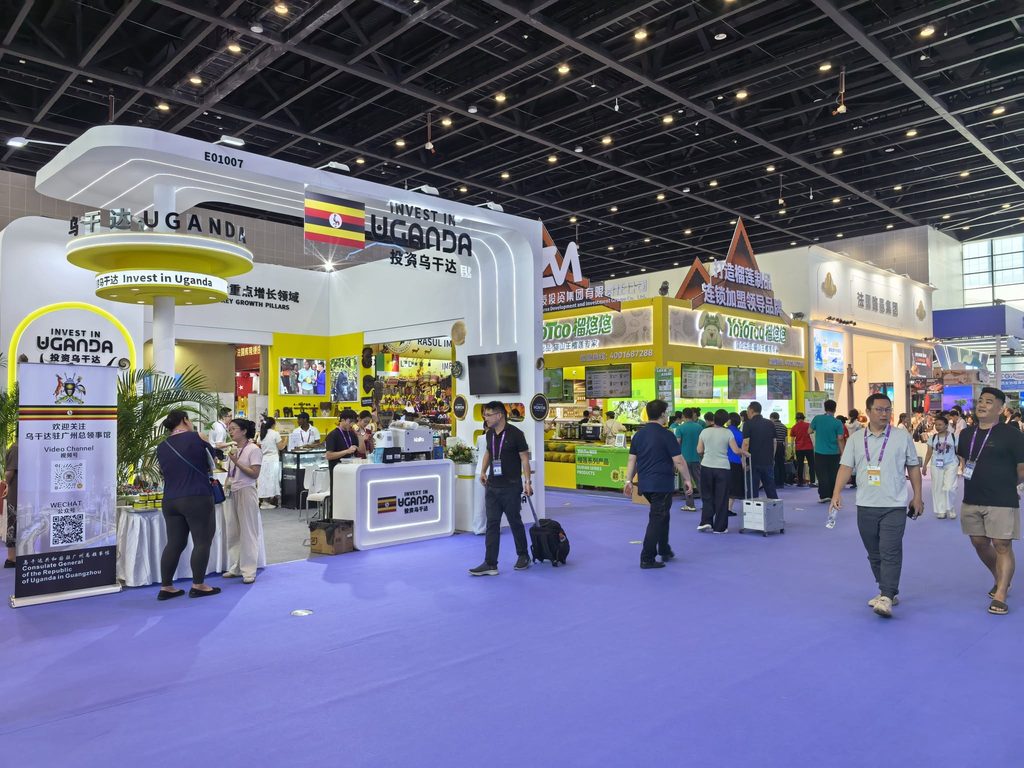
Beyond AI specifically, this year’s expo has placed sustained emphasis on the broader digital infrastructure and e-commerce architecture needed to knit China and ASEAN economies together. The event’s roughly 170,000 square meters of exhibition space includes dedicated sections on digital communications alongside AI and green development, reflecting an understanding among organizers that artificial intelligence adoption cannot be separated from the underlying connectivity — networks, logistics platforms, and cross-border digital payment and trade systems — that allows it to scale regionally.
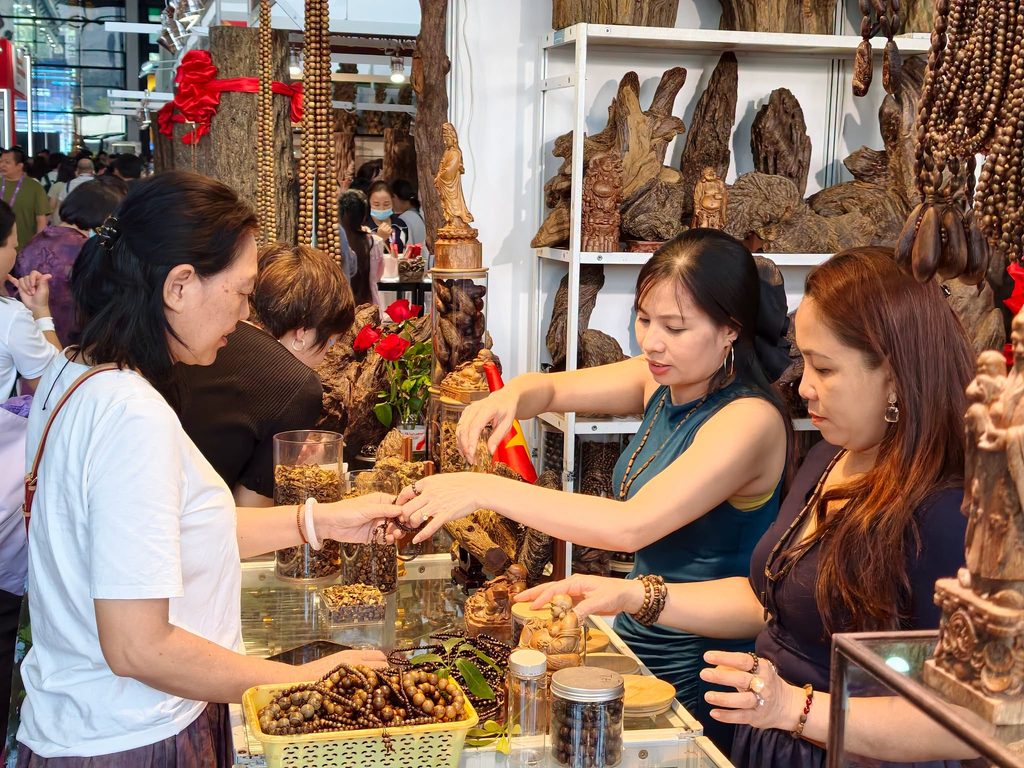
E-commerce, in particular, has become one of the more tangible expressions of China-ASEAN digital integration in recent years, with cross-border online retail platforms increasingly serving as an accessible entry point for small and medium enterprises on both sides to reach new markets without the capital investment traditionally required for physical trade infrastructure. The expo’s more than 50 trade and investment promotion activities held throughout the week provide structured venues for exactly this kind of enterprise-level deal-making, layered underneath the broader diplomatic and policy programming.
-
## Green Development as a Parallel Track
Running alongside the digital and AI focus is a dedicated green development track, underscoring that China-ASEAN cooperation under CAFTA 3.0 is not treated as a single-issue agenda. The pairing is a deliberate one: digital infrastructure and green industry are increasingly discussed together in regional economic planning, given that data centers, AI computing, and digital logistics all carry significant energy demands — and both China and ASEAN economies face pressure to scale these technologies without abandoning climate and sustainability commitments.
-
## CAFTA 3.0: The Framework Behind the Push
This year’s theme, “CAFTA 3.0 Opportunities, Better Life,” makes explicit what the expo’s programming implies: that the latest upgrade to the China-ASEAN Free Trade Area is intended to formally expand coverage into exactly these digital-era sectors, alongside more traditional goods trade. The AI marketplace, the digital communications section, and the e-commerce-oriented promotional activities are best understood as an early, applied expression of what a CAFTA 3.0 framework is meant to enable — moving the trade relationship’s center of gravity toward services, data, and technology alongside physical goods.
-
## Guangxi’s Expanding Role as a Digital Gateway
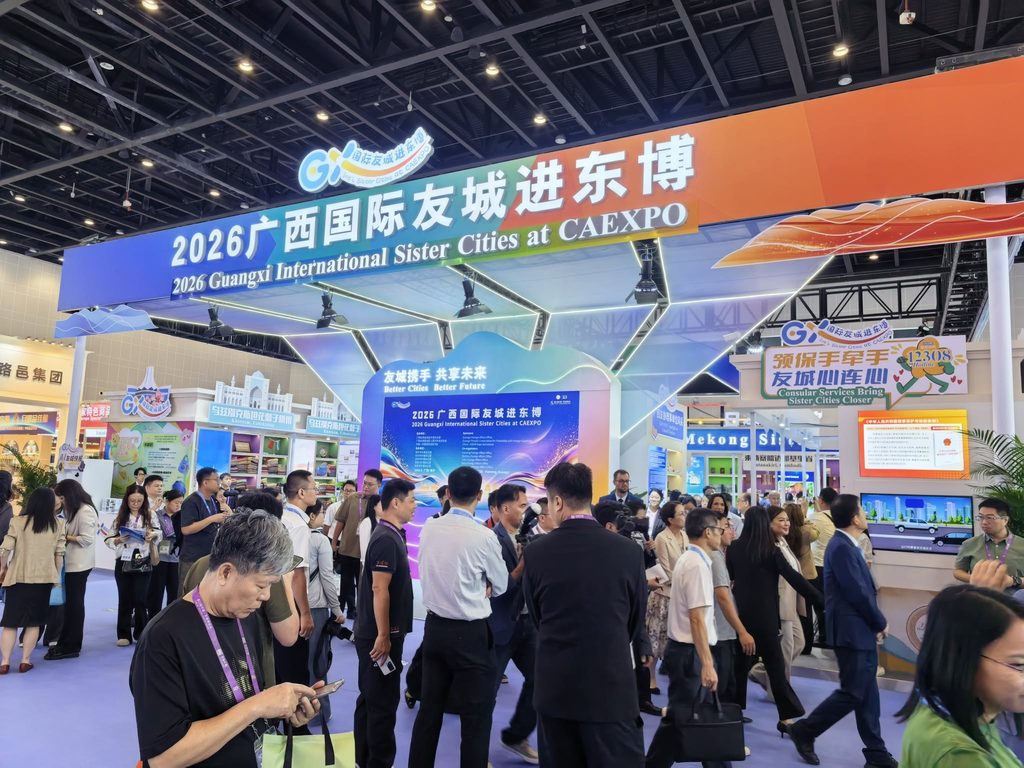
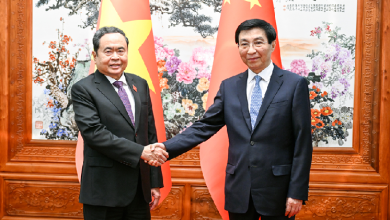
The choice of Guangxi as host continues to carry strategic logic in this new digital context. During the expo, ASEAN Secretary-General Dr. Kao Kim Hourn met with Guangxi Governor H.E. Wei Tao, discussing cooperation spanning trade and investment, connectivity, tourism, and people-to-people exchanges. Dr. Kao specifically described Guangxi’s role as a gateway connecting China and ASEAN, encouraging deeper collaboration under the ASEAN-China Comprehensive Strategic Partnership.
That “gateway” framing, historically tied to Guangxi’s physical geography and border proximity to Vietnam, is increasingly being extended to the digital domain as well — positioning the region not just as a logistics corridor for goods, but as a coordination hub for the platforms, standards, and partnerships needed to scale AI and e-commerce cooperation across a diverse set of ASEAN economies at very different stages of digital development.
Timor-Leste’s debut as co-host this year adds a further dimension to this expanding footprint, bringing one of ASEAN’s newer and still-developing economies directly into an event increasingly oriented around next-generation digital and green industries — a signal that the digital cooperation agenda is meant to be inclusive of ASEAN’s full range of members, not concentrated only among its most digitally advanced.
-
## Conclusion: Connectivity for the AI Age
For two decades, the China-ASEAN Expo’s core narrative was one of physical connectivity — roads, ports, and cross-border trade volumes echoing the ancient Silk Road’s caravan routes. This year’s edition suggests that narrative is being rewritten for a different kind of terrain. The routes now being built run through data infrastructure, AI marketplaces, and e-commerce platforms as much as through highways and shipping lanes, and the “gateway” that Guangxi represents is increasingly digital as well as geographic.
Whether this Digital Silk Road matures into deep, mutually beneficial integration will depend on questions that go well beyond any single expo: how ASEAN’s diverse economies absorb and adapt AI technologies developed elsewhere, how e-commerce and digital infrastructure investment translate into local capacity rather than dependency, and how green development commitments keep pace with the energy demands of the digital systems being built. What is clear from Nanning this year is the direction of travel — a Silk Road Spirit of openness and mutual benefit now being explicitly extended into servers and algorithms, with the region’s next chapter of connectivity being written as much in code as in concrete.
-
AI Takes Center Stage at the 23rd China-ASEAN Expo held in Nanning, south China’s Guangxi Zhuang Autonomous Region,China
Nearly a quarter-century after China and ASEAN first launched their annual the 23rd China-ASEAN Expo as a platform for goods trade, this year’s 23rd edition in Nanning, Guangxi Zhuang Autonomous Region, signals a distinctly different kind of connectivity taking shape. Running from September 17 to 21 and drawing more than 3,400 companies from over 70 countries and regions, the expo’s headline moments this year center less on shipping containers and more on servers, algorithms, and digital supply chains — a shift that organizers and officials alike are framing as an extension of the Silk Road Spirit into the digital and AI era.