
-
The Antalya Diplomacy Forum Promotes Strategic Convergence Over Ideological Divides
-
Türkiye’s Diplomatic Repositioning at the Core
- Symbolism vs Substance: Can Dialogue Translate into Policy?
By Muhammad Arif, Editor NSN.Asia
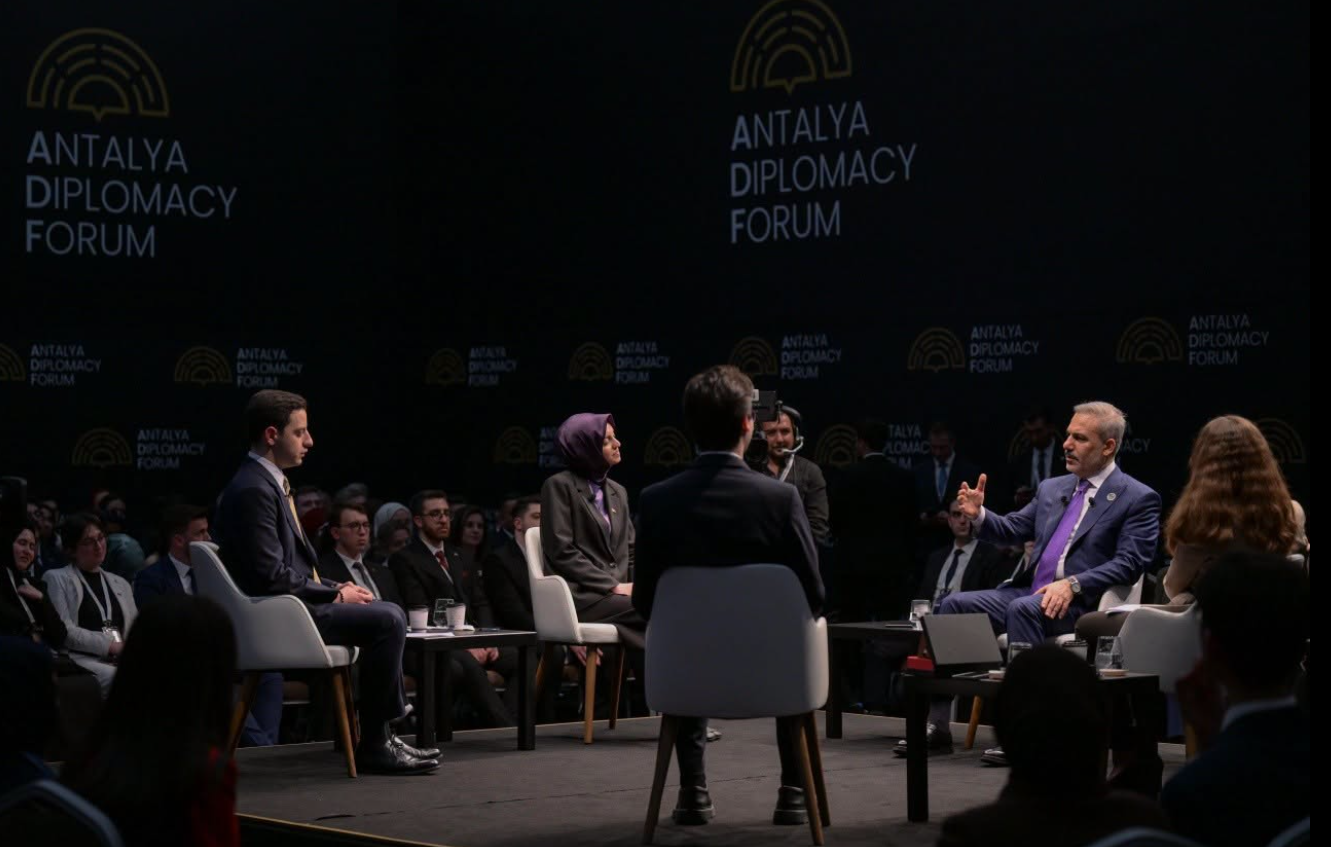
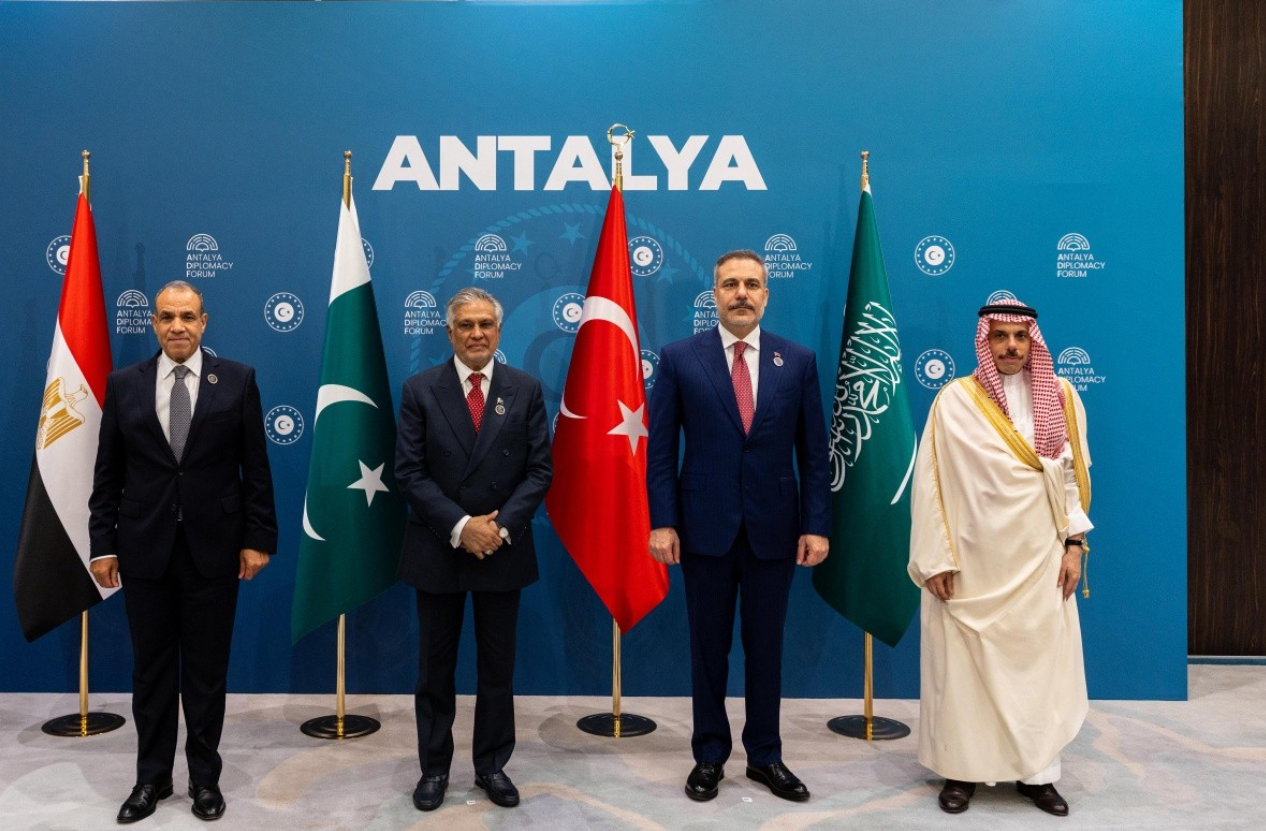
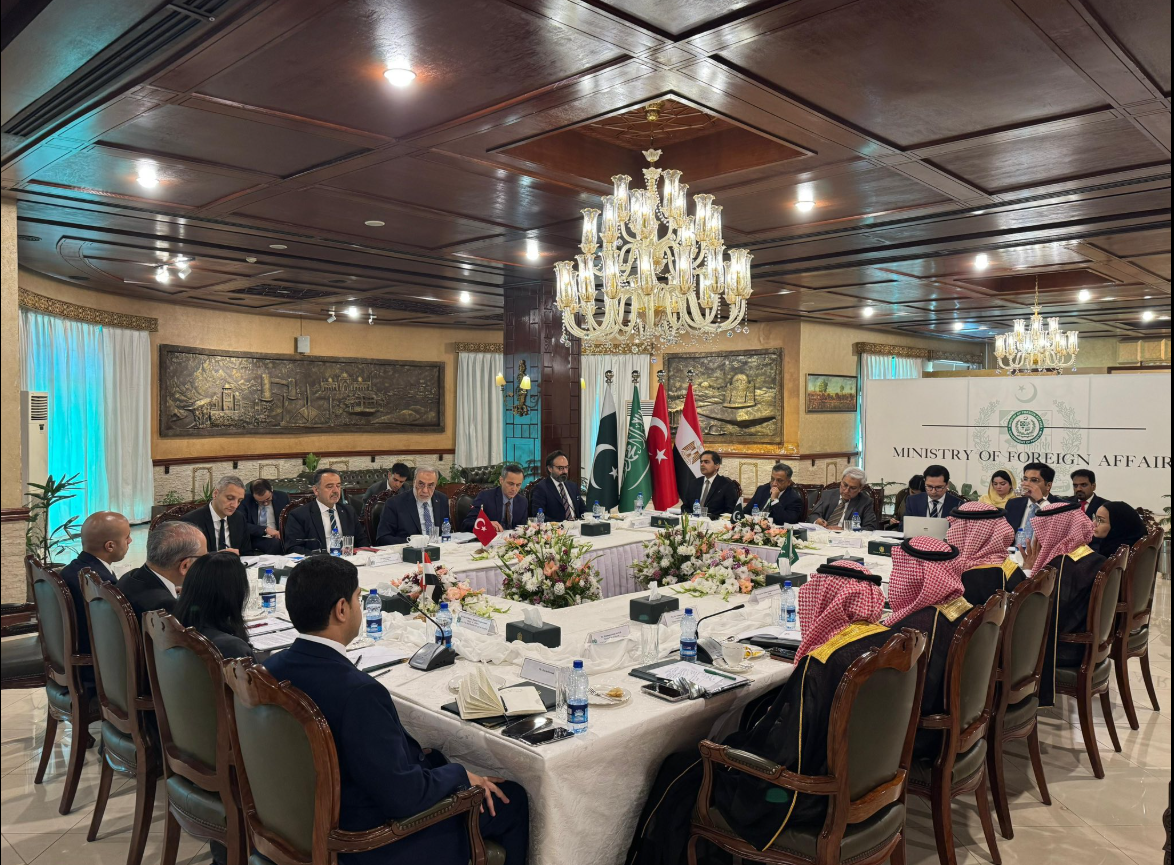
Antalya, Türkiye — The Fifth Antalya Diplomacy Forum has emerged as a significant platform for recalibrating regional alignments, bringing together key actors including Türkiye, Egypt, Pakistan, and Saudi Arabia in what observers describe as a cautious but notable shift toward pragmatic cooperation.
Held under the patronage of Recep Tayyip Erdoğan, the forum underscored Ankara’s ambition to position itself as a central diplomatic hub bridging competing interests across the Middle East, South Asia, and beyond. Yet beneath the optics of unity, critical questions remain about whether this convergence reflects a durable strategic realignment or a temporary alignment of convenience.
Strategic Convergence Over Ideological Divides
For much of the past decade, Türkiye’s relations with Egypt and Saudi Arabia were marked by ideological tensions and geopolitical rivalry. However, the Antalya forum illustrated a deliberate pivot away from confrontation toward engagement. Leaders and diplomats emphasized economic cooperation, regional stability, and conflict de-escalation as shared priorities.
This convergence is less about ideological reconciliation and more about mutual necessity. With global power structures in flux and economic pressures mounting, these states appear increasingly willing to compartmentalize disputes in favor of strategic cooperation.
- Türkiye’s Diplomatic Repositioning at the Core
Türkiye’s role as host was not merely ceremonial. Ankara is actively reshaping its foreign policy doctrine—moving from assertive regional interventionism toward diplomatic normalization. The Antalya Diplomacy Forum has become a key instrument in this recalibration.
By facilitating dialogue among historically estranged partners, Türkiye aims to reinforce its image as a mediator state. However, critics argue that this repositioning is driven as much by economic imperatives and geopolitical isolation as by genuine commitment to multilateral diplomacy.
- Egypt and Saudi Arabia Recalibrate Regional Priorities
Both Egypt and Saudi Arabia entered the forum with evolving strategic outlooks. Cairo’s engagement reflects its broader effort to diversify alliances and stabilize regional relations, while Riyadh’s participation aligns with its ongoing diplomatic outreach and economic transformation agenda.
Notably, Saudi Arabia’s approach—under Mohammed bin Salman—has increasingly favored dialogue over direct confrontation, particularly in the context of regional conflicts. Yet skepticism persists regarding the depth of this shift, especially given unresolved tensions in multiple theaters.
- Pakistan’s Balancing Act in a Fragmented Geopolitical Landscape
Pakistan’s presence at the forum highlighted its ongoing attempt to navigate a complex web of alliances. Islamabad seeks to maintain strong ties with Saudi Arabia while expanding cooperation with Türkiye and cautiously engaging Egypt.
This balancing act reflects Pakistan’s broader foreign policy challenge: aligning economic needs with strategic partnerships without becoming entangled in rival blocs. Participation in Antalya signals Islamabad’s interest in multilateral platforms that can amplify its diplomatic leverage.
- Symbolism vs Substance: Can Dialogue Translate into Policy?
Despite the optimistic tone of the forum, analysts caution against overestimating its immediate impact. While Antalya provides a valuable venue for dialogue, the real test lies in translating diplomatic rhetoric into actionable policy.
Key issues—including economic integration, security cooperation, and conflict resolution—require sustained commitment beyond high-level meetings. Without institutional mechanisms and clear policy frameworks, the forum risks being dismissed as symbolic diplomacy.
Conclusion:
The Fifth Antalya Diplomacy Forum reflects a broader trend toward pragmatic engagement in an increasingly multipolar world. For Türkiye, Egypt, Pakistan, and Saudi Arabia, cooperation is no longer optional but necessary. However, whether this emerging alignment can withstand political shifts and entrenched rivalries remains uncertain.
In a region long defined by fragmentation, Antalya offers a glimpse of possibility—but not yet proof of transformation.
The Antalya Diplomacy Forum was launched in 2021 by Türkiye as a high-level international platform aimed at fostering dialogue on global and regional challenges. Held annually in the Mediterranean city of Antalya, the forum brings together heads of state, foreign ministers, policymakers, academics, and media representatives.
Designed as a counterpart to established global gatherings like the Munich Security Conference, the Antalya Diplomacy Forum focuses on “innovative diplomacy” and informal engagement rather than rigid negotiations. Over successive editions, it has expanded its scope to include conflict resolution, economic cooperation, climate challenges, and shifting geopolitical alignments.
While the forum has gained visibility as a convening space for diverse actors—including rivals—it continues to face scrutiny over its tangible policy outcomes. Critics argue that its success ultimately depends on whether dialogue can evolve into sustained diplomatic frameworks and measurable regional cooperation.